
Module 11: Aquaponic Techniques
Summary / Description Text
This module provides an in-depth overview of the main aquaponic techniques that combine aquaculture and hydroponic systems for integrated fish and plant production. The techniques covered include the Nutrient Film Technique (NFT), Media-Based Technique, and Floating Raft Technique (Deep Water Culture). Each technique is discussed in terms of structure, function, advantages, limitations, and applicability to sustainable production.
The NFT technique uses narrow channels in which a thin layer of nutrient solution flows along plant roots, providing efficient oxygen and nutrient delivery. It is highly suitable for leafy vegetables, offering low water use and simple automation, but is sensitive to power outages and clogging.
The Media-Based Technique employs substrates such as gravel, sand, perlite, or clay pellets that provide mechanical and biological filtration surfaces. It creates a balanced micro-ecosystem involving plants, bacteria, and macro-organisms such as worms. Proper substrate selection considering porosity, pH, water-holding capacity, and density is crucial for optimal growth.
The Floating Raft (Deep Water Culture) technique involves placing plants on rafts that float over nutrient-rich water. It provides a stable and low-maintenance growing environment suitable for short-cycle crops like lettuce. However, maintaining adequate dissolved oxygen levels and temperature control is essential to prevent plant stress.
Through the comparison of these techniques, participants will gain insights into the engineering, biological, and environmental aspects of aquaponic system design and management for sustainable food production.
Keywords: aquaponics, nutrient film technique, media-based technique, floating raft technique, deep water culture, substrate selection, filtration, nutrient cycling, sustainable production.
Learning Outcomes
By the end of this module, participants will be able to:
- Describe the fundamental principles of the main aquaponic techniques (NFT, media-based, and floating raft systems).
- Compare the structural and operational differences among these techniques.
- Explain the role of substrates in biological and mechanical filtration.
- Evaluate the advantages and limitations of each aquaponic technique for different production goals.
- Interpret the relationship between system design, water quality, and plant/fish productivity.
- Integrate sustainability and resource-efficiency considerations into aquaponic system design.
Presentation File
3.4. Aquaponic Techniques
Aquaponics is a production system that integrates aquaculture (fish farming) with hydroponics (soilless plant cultivation), enabling the simultaneous growth of fish and plants while contributing to production diversity and sustainability. Among the various aquaponic techniques, the Nutrient Film Technique (NFT), Media-Based Technique, and Deep Water Culture (DWC) are the most commonly used (Somerville, 2014; Engle, 2015). These techniques are classified according to the type of growing bed they employ.
A comparative illustration of the main aquaponic techniques is presented in Figure 1 (Wongkiew, 2017).
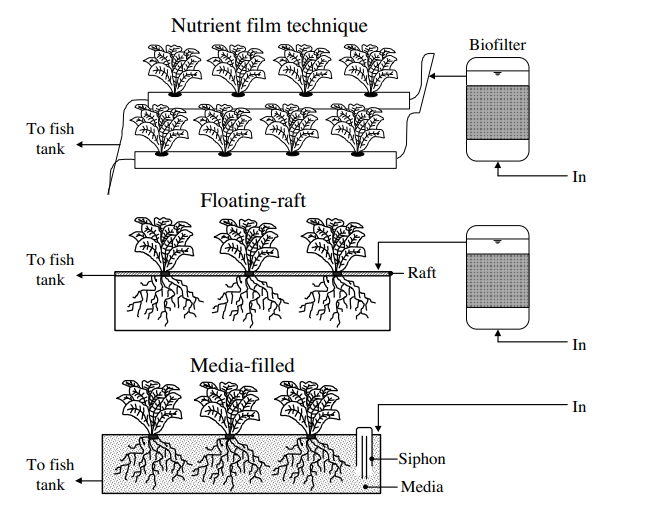 Figure 1. Comparison of different aquaponic techniques (Wongkiew, 2017)
As shown in Figure 1, the nutrient-film technique uses channels or pipes as growing beds; the floating-raft technique employs a floating surface such as polystyrene; and the media-based technique utilizes media materials such as sand, perlite, or gravel. A comparison of the main characteristics of these hydroponic units is provided in Table 1.
Table 1. Classification of hydroponic units according to their characteristics (Maucieri et al., 2019).
|
Characteristic |
Categories |
Examples |
|
Soilless system |
No substrate |
NFT (nutrient film technique) Aeroponics DFT (deep flow technique) |
|
With substrate |
Organic substrates (peat, coconut fibre, bark, wood fibre, etc.) Inorganic substrates (stone wool, pumice, sand, perlite, vermiculite, expanded clay) Synthetic substrates (polyurethane, polystyrene) |
|
|
Open/closed systems |
Open or run-to-waste systems |
The plants are continuously fed with “fresh” solution without recovering the solution drained from the cultivation modules. |
|
Closed or recirculation systems |
The drained nutrient solution is recycled and topped up with lacking nutrients to the right EC level. |
|
|
Water supply |
Continuous |
NFT (nutrient film technique) DFT (deep flow technique) |
|
Periodical |
Drip irrigation, ebb and flow, aeroponics |
3.4.1.Nutrient Film Technique (NFT)
The Nutrient Film Technique (NFT), also known as the nutrient-film system, consists of channels (usually made of PVC) containing a thin, continuously flowing film of nutrient solution that passes along the roots of plants placed in holes on the upper surface of the channel. This design allows the roots to be simultaneously exposed to water and air, promoting oxygenation and nutrient absorption (Pattillo, 2017).
An example of an NFT system is shown in Figure 2 (Maucieri et al., 2019).
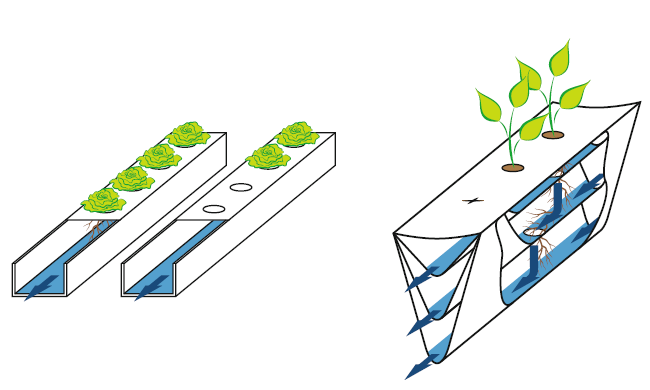 Figure 2.Nutrient film technique (Maucieri et al., 2019)
Since part of the root system remains suspended in air, roots may lose functionality over time, making the system less suitable for long production cycles. Furthermore, due to its sensitivity to temperature fluctuations, NFT efficiency can decrease in regions with high radiation or ambient heat. To address these limitations, multi-layer NFT systems (illustrated on the right side of Figure 2) have been developed. These allow the nutrient solution to bypass upper layers that may become clogged with roots and continue flowing through lower channels, thereby reducing blockage risk and enabling extended operation (Maucieri et al., 2019).
The Nutrient Film Technique (NFT) is a production method that ensures efficient resource use, as short-rooted plants remain in constant contact with the nutrient solution while providing minimal water consumption (Delaide et al., 2017). The main advantages of this system are that the nutrient solution is recirculated and no substrate is required, which facilitates easy maintenance and cleaning, while its compatibility with automation reduces labour requirements during planting and harvesting operations (Maucieri et al., 2019). In the system design based on the nutrient film technique, the channel slope, channel length, and flow rate are carefully calculated to ensure that the plant species being cultivated receive sufficient oxygen, nutrients, and water flow (Somerville et al., 2014). In NFT aquaponic systems, correctly setting the slope is highly important to ensure proper water flow. It is stated that a slope of approximately 1 cm per meter of pipe length is required to maintain proper water flow through the channels (Kasozi et al., 2019). NFT is a highly efficient technique, as it provides high oxygen levels to plant roots (Wongkiew et al., 2017). A schematic diagram of the NFT water flow and an example of an aquaponic system using this technique are shown in Figure 3.
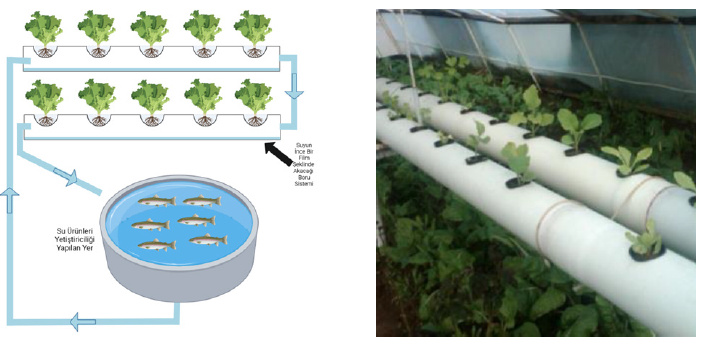 Figure 3. Nutrient film technique (Tunçelli, 2022)
In systems designed according to the Nutrient Film Technique (NFT), the structure of the plant-growing channels may become clogged during recirculating flows, which limits the cultivation to small-sized vegetable species. This indicates that although the system has many advantages, it also presents certain limitations (Engle, 2015; Wongkiew et al., 2017). In aquaponic systems utilizing either the NFT or the floating-raft technique, mechanical filters are used to remove solid particles from the water. Additionally, biofilters are employed to convert nitrogen compounds generated in the system into plant-available forms, thus providing the plants with the necessary nitrogen supply (Engle, 2015; Nelson, 2008). Moreover, due to the low water level in the system, pump malfunctions or power outages can rapidly affect the operation, and such sudden fluctuations may induce stress on the plants (Maucieri et al., 2019).
3.4.2.Media-Based Technique
In the media-based technique, a hydroponic unit is constructed by filling a tank with various solid media materials such as rocks, sand, perlite, gravel, mineral wool, clay, or polystyrene, and then planting crops directly in the media (Bildirici & Bildirici, 2021; Şekeroğlu et al., 2022). The media materials serve two main functions:
- to provide physical support for plant roots, and
- to create a substrate surface area for mechanical and biological Filtration (Somerville et al., 2014; Zou et al., 2016).
Media bed systems typically include a fish tank, media beds, sump tank, water pump, and support blocks. The porous media acts as both a filtration surface and root support structure. Water circulation in this system can be designed in two ways ; as a flood-and-drain system or as a continuous-flow system (Somerville et al., 2014). In the flood-and-drain system, plant roots are periodically submerged in nutrient-rich water, which is then discharged through a siphon mechanism. In contrast, the continuous-flow system supplies water continuously through the growing bed or via a drip irrigation system (Somerville et al., 2014). The flood-and-drain configuration allows optimal oxygen and nutrient delivery to the roots (Somerville et al., 2014). It has also been reported that bacteria and worms are sometimes introduced into the media bed to enhance waste decomposition (Kargın & Bilgüven, 2018).
In this system, plant roots provide attachment surfaces for bacteria, contributing to the development of microbial activity. Nitrifying bacteria convert ammonia from fish waste into nitrite and then nitrate, creating nitrogen compounds that can be absorbed by plants (Kim et al., 2005). Plants, in turn, remove these nutrients from the water, helping to purify and recycle it, thereby completing the nutrient cycle. Additionally, macroorganisms such as worms and small invertebrates living in the media bed promote the breakdown of organic matter and improve aeration (Kargın & Bilgüven, 2018). Considering these interactions, the media bed forms a dynamic micro-ecosystem, where plants, bacteria, and other microorganisms coexist in a symbiotic relationship. Through these mutual interactions, the media bed naturally performs biological filtration and nutrient recycling, functioning as a balanced biofiltration ecosystem.
In hydroponic tanks built using the media-based technique, there are three functional zones; Dry zone (about 5 cm deep), which allows light penetration and prevents algae growth, Root zone, located 15–20 cm below the surface, where plant roots and continuous water flow occur, and Solids and mineralization zone, the 5 cm bottom layer where solid waste accumulates and mineralization takes place (Bernstein, 2011; Bildirici & Bildirici, 2021).
The representation of the zones within the growth tanks prepared using the media bed Technique is shown in Figure 4.
Figure 4. Zones within a media-based growing bed (Bernstein, 2011)
It is important that the filling materials used in the media-based technique are chemically inert, ensuring they do not alter the pH of the system water. The media surfaces serve as a habitat for beneficial bacteria, enabling biological filtration, while also trapping suspended solids through mechanical filtration.
Plants grown in soilless systems typically exhibit a high shoot-to-root ratio, meaning their demand for water, air, and nutrients is greater than that of soil-grown plants (Maucieri et al., 2019). Therefore, selecting an appropriate growing media is a critical factor for successful production. Media used in this technique can be classified into three main groups based on composition: organic, inorganic, and synthetic materials (Maucieri et al., 2019). Figure 5 presents a classification of media materials used in media-based aquaponic systems.
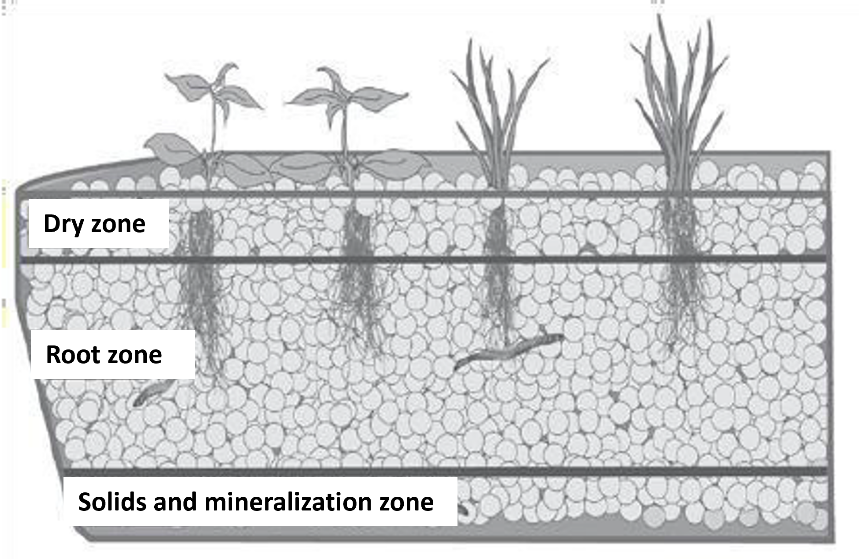
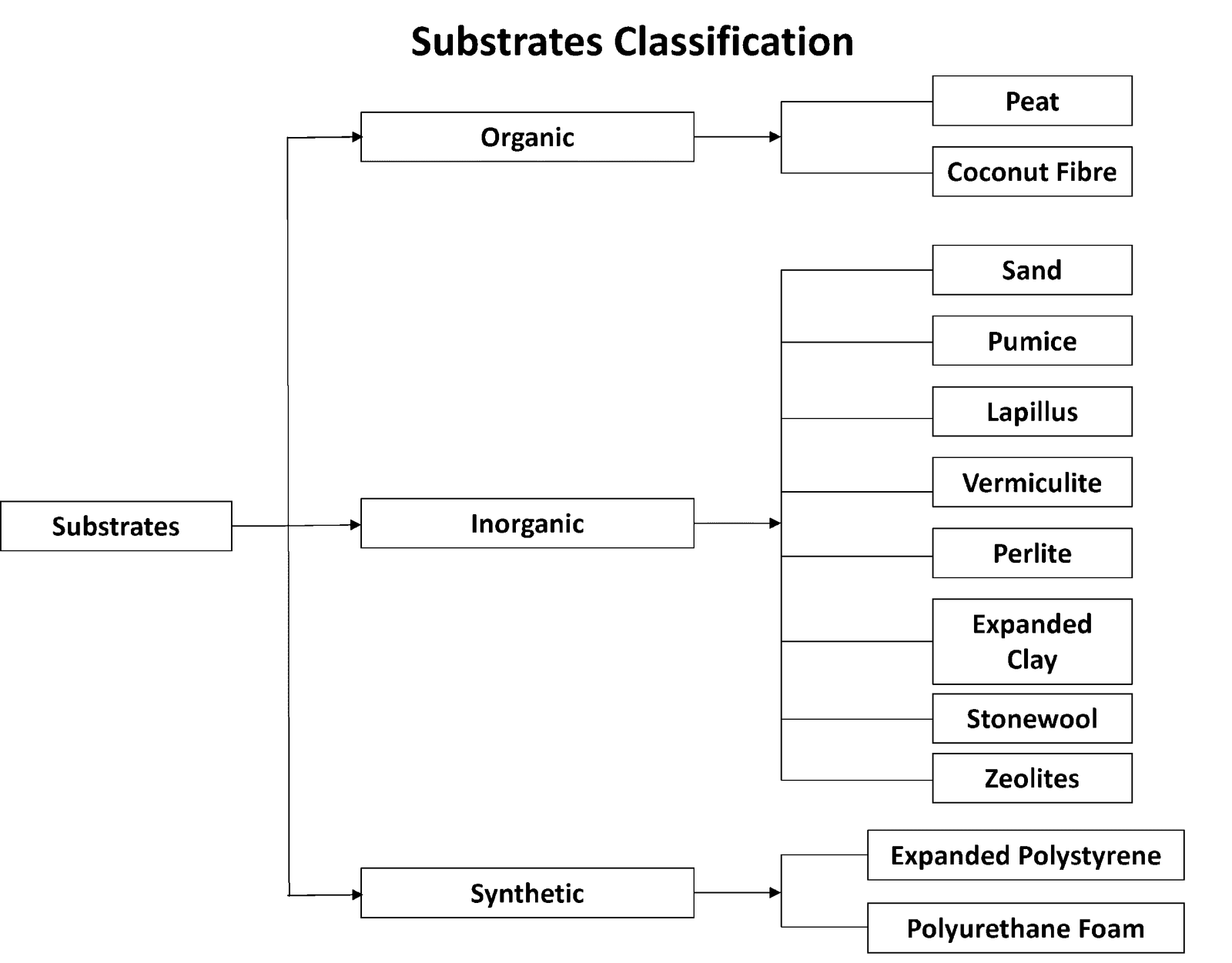
Figure 5. Classification of media materials used in the media-based aquaponic technique (Maucieri et al., 2019)
The selected media should have suitable characteristics such as bulk density, porosity, water-holding capacity, cation exchange capacity (CEC), pH, electrical conductivity (EC), and cost efficiency. For example, to increase water retention, coconut fibre may be added to the mixture, while perlite may be used to improve porosity, resulting in a blend of organic and inorganic materials (Maucieri et al., 2019).
The optimal bulk density (BD) for the media ranges from 150 to 500 kg/m³ (Wallach, 2008). Maintaining proper bulk density is crucial for root anchorage (Maucieri et al., 2019). Porosity supports air and water access, nutrient transport, and structural stability, ensuring continuous plant growth. The optimal porosity values are approximately 15–35% macroporosity and 40–60% microporosity (Wallach, 2008; Blok et al., 2008; Maher et al., 2008).
The water-holding capacity of the media is another important feature, as it helps maintain adequate moisture levels and reduces the need for frequent irrigation (Maucieri et al., 2019). The amount of water available to plants is determined by the difference between water retained at field capacity and water retained at the wilting point (Maucieri et al., 2019). The optimal available water content for plants should be about 30–40% of the total volume (Kipp et al., 2001). Depending on their properties, media components may be used individually or as blends (Maucieri et al., 2019). The ratio of different components in a mixture should be adjusted according to environmental conditions (Maucieri et al., 2019). Table 2 and Table 3 summarize the physical and chemical characteristics of selected inorganic and organic materials commonly used as growing media (Enzo et al., 2001).
Table 2. Physical and chemical properties of selected inorganic media materials (Enzo et al., 2001; Maucieri et al., 2019).
|
Substrates |
Bulk density (kg m⁻³) |
Total porosity (%vol) |
Free porosity (%vol) |
Water-retention capacity (%vol) |
CEC (meq %) |
EC (mS cm⁻¹) |
pH |
|
Sand |
1400–1600 |
40–50 |
1–20 |
20–40 |
20–25 |
0.10 |
6.4–7.9 |
|
Pumice |
450–670 |
55–80 |
30–50 |
24–32 |
– |
0.08–0.12 |
6.7–9.3 |
|
Volcanic tuffs |
570–630 |
80–90 |
75–85 |
2–5 |
3–5 |
– |
7.0–8.0 |
|
Vermiculite |
80–120 |
70–80 |
25–50 |
30–55 |
80–150 |
0.05 |
6.0–7.2 |
|
Perlite |
90–130 |
50–75 |
30–60 |
15–35 |
1.5–3.5 |
0.02–0.04 |
6.5–7.5 |
|
Expanded clay |
300–700 |
40–50 |
30–40 |
5–10 |
3–12 |
0.02 |
4.5–9.0 |
|
Stone wool |
85–90 |
95–97 |
10–15 |
75–80 |
– |
0.01 |
7.0–7.5 |
|
Expanded polystyrene |
6–25 |
55 |
52 |
3 |
– |
0.01 |
6.1 |
Table 3. Main chemical–physical characteristics of peats and coconut fibre (dm = dry matter) (Enzo et al., 2001; Maucieri et al., 2019).
|
Characteristics |
Raised bogs |
Fen bogs |
Coconut fibre (coir) |
|
|
Blond |
Brown |
Black |
||
|
Organic matter (% dm) |
94–99 |
94–99 |
55–75 |
94–98 |
|
Ash (% dm) |
1–6 |
1–6 |
23–30 |
3–6 |
|
Total porosity (% vol) |
84–97 |
88–93 |
55–83 |
94–96 |
|
Water-retention capacity (% vol) |
52–82 |
74–88 |
65–75 |
80–85 |
|
Free porosity (% vol) |
15–42 |
6–14 |
6–8 |
10–12 |
|
Bulk density (kg m⁻³) |
60–120 |
140–200 |
320–400 |
65–110 |
|
CEC (meq%) |
100–150 |
120–170 |
80–150 |
60–130 |
|
Total nitrogen (% dm) |
0.5–2.5 |
0.5–2.5 |
1.5–3.5 |
0.5–0.6 |
|
C/N |
30–80 |
20–75 |
10–35 |
70–80 |
|
Calcium (% dm) |
<0.4 |
<0.4 |
>2 |
– |
|
pH (H₂O) |
3.0–4.0 |
3.0–5.0 |
5.5–7.3 |
5.0–6.8 |
Although the media-based technique offers several advantages, it has also been noted that exposure of the growing surface to sunlight increases water evaporation rates (Kasozi et al., 2019). Although sunlight is an important parameter for plant growth, in aquaponic systems designed with the media bed technique, it is crucial to utilize sunlight in a way that prevents excessive water evaporation while ensuring maximum benefit for plant cultivation.
3.4.3.Floating Raft Technique (Deep Water Culture Technique)
This system, also referred to as the floating raft system or the deep-water culture (DWC) technique, involves growing plants placed on various types of supports such as polystyrene panels or floating boards, which rest on a 10–20 cm-deep nutrient solution (Van Os et al., 2008; Kargın & Bilgüven, 2018). In systems established using the deep-water culture technique, plants are positioned on floating polystyrene sheets, allowing their roots to extend downward into the water. This configuration enables plants to absorb nutrients directly from the water without clogging the media channels (Somerville et al., 2014; Kasozi et al., 2019). In such systems, water is pumped from the fish tank to the plant beds and filtration units and then flows back to the fish tank once purified (Şekeroğlu et al., 2022). An example of the floating raft technique is presented in Figure 6 (Maucieri et al., 2019).
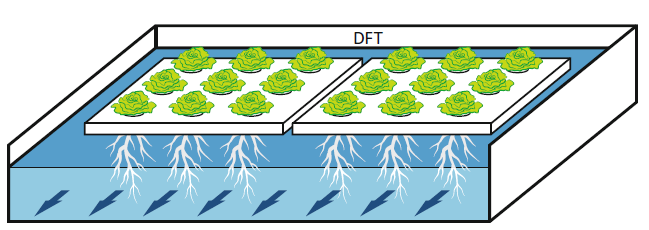 Figure 6. Example of the floating raft technique (Maucieri et al., 2019)
In these systems, plants are cultivated on floating structures with their roots suspended in water, providing a low-cost and easily managed growing environment. This method is particularly suitable for short-cycle crops such as lettuce and does not require extensive automation for nutrient solution management, since the large volume of water ensures stable conditions. Typically, the nutrient solution is renewed at the end of each cultivation cycle. However, it is essential to monitor the dissolved oxygen (DO) concentration regularly; if the DO level drops below 4–5 mg/L, root nutrient uptake efficiency decreases, potentially leading to nutrient deficiencies. The use of water circulation systems or Venturi aeration devices can enhance oxygenation and minimize this risk (Somerville et al., 2014). In addition, if the water temperature exceeds 23 °C, maintaining a high dissolved oxygen concentration becomes critical to prevent early bolting in crops such as lettuce (Maucieri et al., 2019). An illustration of a cultivation bed designed according to the floating raft technique is shown in Figure 7.
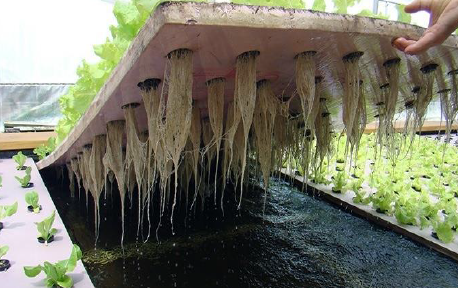 Figure 7. Deep-water culture growing bed (FAO, 2014)
The preferred system types in aquaponics have their own advantages and disadvantages. Table 1 summarizes the main strengths and weaknesses of different aquaponic system types, highlighting their operational characteristics, resource efficiency, and technical limitations (Somerville et al., 2014).
Table 1. Strengths and weaknesses of aquaponic system types (Somerville et al., 2014)
|
System type |
Strengths |
Weaknesses |
|
Media bed units |
– Simple and forgiving design – Ideal for beginners – Alternatively recycled parts can be used – Tall fruiting vegetables are supported – All types of plants can be grown – Multiple irrigation techniques – Many types of media can be used – High aeration when using bell siphons – Relatively low electrical energy – Medium captures and mineralizes solids |
– Very heavy, depending on choice of media – Media can be expensive – Media can be unforgiving – Unequal by large scale – Higher evaporation than NFT and DWC – Labour-intensive to construct – Flood-and-drain cycles require careful calculation of water volume – Media can clog at high stocking density – Plant transplanting is more labour-intensive as the media needs to be moved – If water delivery is not uniform, plant performance may differ from bed to bed |
|
NFT units |
– More cost -effective than media beds on large scale – Ideal for herbs and leafy green vegetables – Minimal water loss by evaporation – Light weight system – Best method for rooftops – Very simple harvesting methods – Pipes spacing can be adjusted to suit different plants – Well researched by commercial hydroponic ventures – Smallest water volume required – Minimal labour to plant and harvest |
– More complex filtration method – Water pump and air pump are mandatory – Cannot directly seed – Low water volume magnifies water quality issues – Increases variability in water temperature with stress on fish – Water inlet pipes can easily clog – Vulnerable to power outages |
|
DWC units |
– More cost -effective method than media beds on large scale – Large water volume dampens changes in water quality – Can withstand short interruptions in electricity – Minimal water loss by evaporation – Well researched by commercial hydroponic ventures – Polystyrene rafts insulate water from heat losses/keeps constant temperatures – Shifting rafts can facilitate planting and harvesting – Rafts provide buffer surface area – DWC canals can be fixed with plastic liners, suiting any kind of wall (wood, steel, masonry) – Can be used at multiple stocking densities |
– More complex filtration method – Very heavy unit – High dissolved oxygen required in the canal, and a more sophisticated air pump is required – Plastic liners must be food-grade – Polystyrene sheets are easily broken – Tall plants are more difficult to support – Large water volume increases humidity and the risk of fungal disease |
References
Bernstein, S., (2011). Aquaponic gardening: a step-by-step guide to raising vegetables and fish together. New society publishers, Gabriola Island.
Bildirici, N., & Bildirici, D. E. (2021). Aquaponic systems for a healthy future. Ankara: Iksad Publications.
Blok C, de Kreij C, Baas R, Wever G (2008) Analytical methods used in soilless cultivation. In: Raviv, Lieth (eds) Soilless culture, theory and practice. Elsevier, Amsterdam, pp 245–290
Delaide, B., Delhaye, G., Dermience, M., Gott, J., Soyeurt, H., & Jijakli, M. (2017). Plant and fish production performance, nutrient mass balances, energy and water use of the PAFF Box, a small-scale aquaponic system. Aquacultural Engineering, 78, 130-139. https://doi.org/10.1016/j.aquaeng.2017.06.002
Engle, C.R., 2015. Economics of Aquaponics. SRAC Publ. Reg. Aquac. Cent.
Enzo M, Gianquinto G, Lazzarin R, Pimpini F, Sambo P (2001) Principi tecnico-agronomici della fertirrigazione e del fuori suolo. In: Tipografia-Garbin. Padova, Italy
FAO, (2014). Small-scale aquaponic food production.
Kargın, H., & Bilgüven, M. 2018. Aquaponic systems and their importance in aquaculture. Journal of Agricultural Faculty of Bursa Uludağ University, 32(2), 159–173.
Kasozi, N., Tandlich, R., Fick, M., Kaiser, H., Wilhelmi, B, 2019. Iron supplementation and management in aquaponic systems: A review. Aquaculture Reports. 15, 100221.
Kim, D.-J., Ahn, D.H., Lee, D.-I., 2005. Effects of free ammonia and dissolved oxygen on nitrification and nitrite accumulation in a biofilm airlift reactor. Korean J. Chem. Eng. 22, 85–90.
Kipp JA, Wever G, de Kreij C (2001) International substrate manual. Elsevier, Amsterdam Kuhry P, Vitt DH (1996) Fossil carbon/nitrogen ratios as a measure of peat decomposition. Ecology 77:271–275
Maher MJ, Prasad M, Raviv M (2008) Organic soilless media components. In: Raviv, Lieth (eds) Soilless culture, theory and practice. Elsevier, Amsterdam, pp 459–504.
Maucieri, C., Nicoletto, C., Van Os, E., Anseeuw, D., Havermaet,R.V., Junge,R.,2019. Hydroponic Technologies. In: Goddek, S., Joyce, A., Kotzen, B., Burnell, G.M. (Eds.), Aquaponics Food Production Systems: Combined Aquaculture and Hydroponic Production Technologies for the Future. Springer International Publishing, Cham, pp. 77-110. https://doi.org/10.1007/978-3-030-15943-6_2, 978- 3-030-15943-6
Nelson, R.L., 2008. Aquaponic Food Production: Growing Fish and Vegetables forFood and Profit. Nelson and Pade, Wisconsin.
Pattillo, D.A. 2017. An Overview of Aquaponic Systems: Hydroponic Components. North Central Regional Aquaculture Center, https://dr.lib.iastate.edu/handle/20.500.12876/55937
Somerville, C., Cohen, M., Pantanella, E., Stankus, A. & Lovatelli, A. (2014). Small-scale aquaponic food production.Integrated fish and plant farming. Rome: FAO Fisheries and Aquaculture Technical Paper. No. 589.
Şekeroğlu, A., Kökten, K., & İnci, H. 2022. Academic studies on the sustainability dynamics of agriculture and livestock. Ankara: Iksad Publishing House.
Tunçelli, G. (2022). The effect of swimming activity of rainbow trout (Oncorhynchus mykiss) in aquaponic systems on water quality, fish, and plant growth performance (Doctoral dissertation, Istanbul University, Graduate School of Science).
Van Os EA, Gieling TH, Lieth JH (2008) Technical equipment in soilless production systems. In:Raviv, Lieth (eds) Soilless culture, theory and practice. Elsevier, Amsterdam, pp 157–207
Wongkiew, S., Hu, Z., Chandran, K., Lee, J.W., Khanal, S.K., 2017. Nitrogen transformations in aquaponic systems: a review. J. Aquac. Eng. Fish. Res. 76, 9–19.
Wallach J (2008) Physical characteristics of soilless media. In: Raviv, Lieth (eds) Soilless culture, theory and practice. Elsevier, Amsterdam, pp 41–116
Zou, Y., Hu, Z., Zhang, J., Xie, H., Guimbaud, C., Fang, Y., 2016. Effects of pH on nitrogen transformations in media-based aquaponics. Bioresour. Technol. 210, 81–87.