
Module 14: Treatment Units Used in Aquaponic Systems
Summary / Description Text
This module focuses on the treatment units that maintain water quality and ensure the stable operation of aquaponic systems, where aquaculture (RAS) and hydroponic plant production are integrated into a single circular structure. Water quality in aquaponics directly affects fish health, plant nutrient uptake, and the activity of nitrifying bacteria; therefore, the proper design, sizing, and operation of mechanical, biological, and chemical treatment units are essential for system sustainability.
Mechanical treatment units such as clarifiers, drum filters, bead filters, and sand filters remove suspended solids and organic particles that may otherwise increase ammonia levels, reduce dissolved oxygen, and disrupt the efficiency of biofiltration. Biological treatment units, primarily biofilters, enable the nitrification process, converting toxic ammonia into plant-available nitrate, while advanced nutrient removal processes (e.g., denitrification and membrane bioreactors) support more efficient nitrogen management.
The module also introduces aeration equipment, which ensures adequate dissolved oxygen for fish and nitrifying bacteria, along with disinfection units, especially UV systems, that reduce disease risk in recirculating environments. Additional system components such as sump tanks and pumps support hydraulic stability, while sludge management practices help recover nutrients, improve environmental performance, and strengthen circular resource use.
Finally, the module presents a case study from Universidad Católica del Norte (Chile), comparing integrated aquaponic RAS systems with conventional RAS, highlighting improvements in water quality stability and production sustainability.
Keywords
aquaponics, mechanical filtration, biological filtration, nitrification, denitrification, sludge management, aeration, UV disinfection, RAS integration, sustainable water management
Learning Outcomes
Upon completing this module, learners will be able to:
• Understand the roles of mechanical, biological, and chemical treatment units in maintaining water quality in aquaponic systems.
• Identify different filtration technologies (clarifiers, drum filters, bead filters, sand filters) and explain their functions and operational principles.
• Describe biofiltration and the nitrification process, including the role of nitrifying bacteria and environmental factors influencing their performance.
• Recognize the significance of advanced nutrient removal technologies (e.g., denitrification, membrane bioreactors) for sustainable system operation.
• Explain the functions of aerators, ventilation equipment, sump tanks, and pumps within system hydraulics and oxygen supply.
• Evaluate sludge management strategies and their contribution to nutrient recovery and circular resource use.
• Analyze how treatment units vary depending on aquaponic system type (media bed, NFT, DWC, RAS-integrated systems).
• Interpret real-world case studies demonstrating the impact of treatment unit design on water quality stability and system efficiency.
Presentation File
3.7. Treatment Units Used in Aquaponic Systems
Aquaponics is an environmentally innovative production system that integrates recirculating aquaculture systems (RAS), where fish are cultured, with hydroponic plant cultivation, combining both production methods under a single cyclical and symbiotic structure (Bandi et al., 2016). In aquaponic systems, water quality is a critical component for fish health, plant nutrient uptake, and the activity of nitrifying bacteria. Maintaining water quality is achieved through the proper design and operation of mechanical, biological, and chemical treatment units.
In aquaponics, various mechanical, biological, and chemical treatment units are used depending on the scale of the system. Settling tanks and mechanical filters are employed in mechanical treatment; biofilters and denitrification units operate in biological treatment; and disinfection units are utilized in chemical treatment. Additionally, hydraulic design components such as sump tanks contribute to forming an integrated system. Alongside these units, sludge management and nutrient recovery processes significantly enhance resource efficiency, thereby supporting the environmental and economic sustainability of the system. Figure 1 presents the schematic general view of an integrated aquaponic system (Thorarinsdottir et al., 2015).
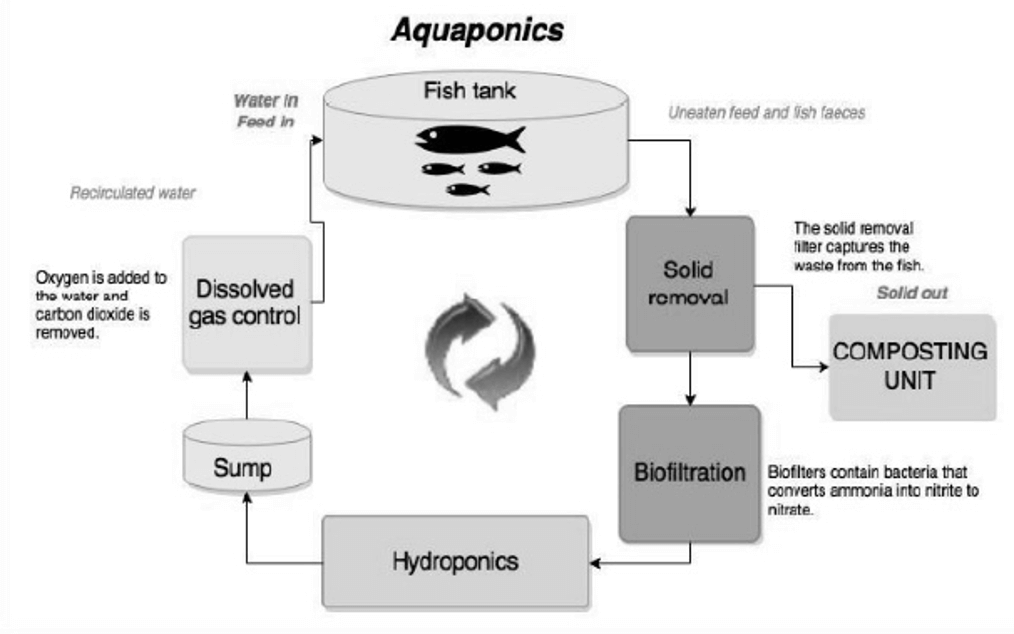
Figure 1. Schematic overview of an integrated aquaponic system (Thorarinsdottir et al., 2015).
3.7.1. Mechanical Treatment Units
Mechanical treatment units in aquaponic systems remove solid materials such as fish feces and uneaten feed present in aquaponic wastewater (Bandi et al., 2016). Mechanical filtration provides numerous benefits to the system. If the solid wastes generated in aquaponic effluent are not removed, they increase the risk of fish diseases and gill damage, elevate ammonia levels in the water, reduce dissolved oxygen concentrations due to higher biochemical oxygen demand, promote the dominance of heterotrophic bacteria which reduces the efficiency of the biofilter, and cause the formation of hydrogen sulfide in anaerobic zones created by clogging. Hydrogen sulfide is extremely toxic for both fish and nitrifying bacteria (Thorarinsdottir et al., 2015).
Mechanical treatment units are positioned after the fish tanks and before the biological treatment units. In this way, solid particles originating from the fish tanks are removed before they reach the biofilters, and the biofiltration equipment is protected from physical damage caused by solid materials. In aquaponics, settling tanks and mechanical filters are used for mechanical treatment. When selecting mechanical filtration equipment, it is important to consider the system density as a key criterion (Bandi et al., 2016). Settling basins, drum filters, sand filters and bead filters are preferred mechanical treatment units in aquaponic systems (Bandi et al., 2016). Figure 2 presents the typical solid removal technologies used in aquaculture wastewater treatment and the particle size ranges removed by each technology (Ngo et al., 2017).
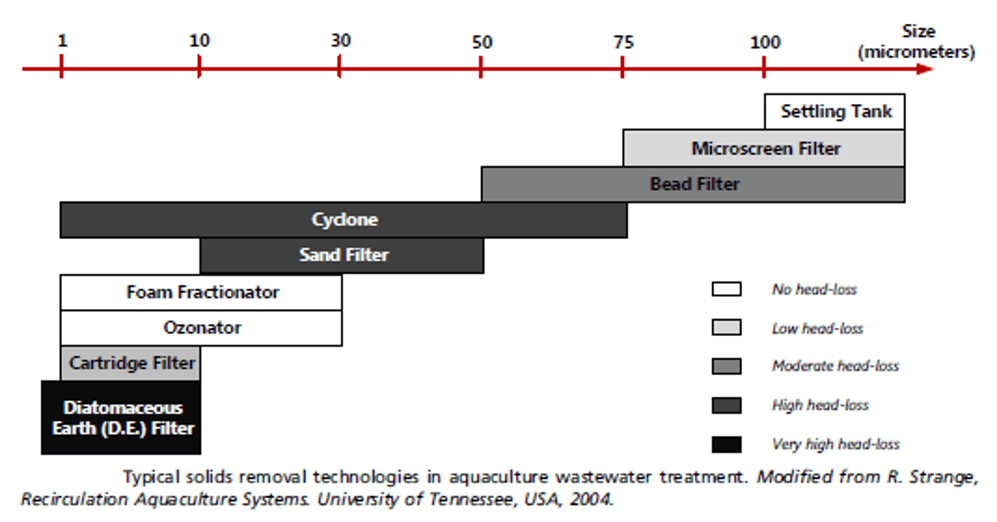
Figure 2. Typical solids removal technologies in aquaculture wastewater treatment (Ngo et al., 2017).
Large particles in aquaponic system wastewater that are larger than 100 micrometers are defined as settleable solids and are removed using settling tanks (Ngo et al., 2017). Non settleable solids with particle sizes between 50 and 100 micrometers are filtered using drum filters, sand filters and bead filters (Ngo et al., 2017; Bandi et al., 2016). In aquaculture wastewater treatment, sand filters and bead filters are commonly preferred (Ngo et al., 2017). Each filtration unit removes particles within a different size range. For example, sand filters remove particles between 10 and 50 micrometers, while bead filters remove particles that are 50 micrometers or larger (Ngo et al., 2017).
Another type of mechanical filter used in aquaponic systems is the drum filter. In drum filters, water enters the drum and passes through the filter elements, where solid particles are retained on the surface. As the drum rotates, these accumulated solids are carried to the backwash section. Water sprayed from nozzles washes the organic matter into the sludge tray. The sludge then flows out of the system by gravity and is directed to external treatment (Bregnballe, 2015). Drum filters are effective in removing particles ranging from 40 to 100 micrometers (Bregnballe, 2015). Figure 3 presents an example of a drum filter (CMAqua, n.d.).
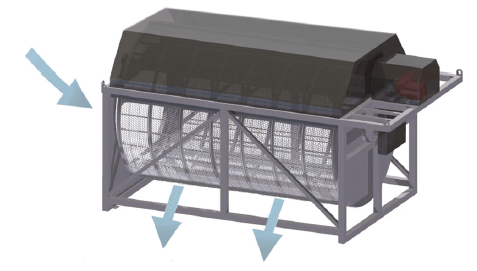
Figure 3. Drumfilter (CMAqua, n.d.)
The particle size ranges removed by mechanical filters, as well as their advantages and disadvantages, differ from one unit to another. Table 1 presents a comparison of various mechanical filtration systems.
Table 1. Comparison of different mechanical filtration systems (Thorarinsdottir et al., 2015)
|
Type |
Op. water volume (m³/h) |
Op. pressure (PSI) |
Pros |
Cons |
|
Clarifier |
5 |
Atmospheric |
– Maintenance-free- No electricity required- Only sludge purging needed |
– Low water volume compared to alternatives- Water retention time depends on particle size |
|
Bead filter |
10-68 |
10–20 |
– Simple operations- Small space requirement- Suitable for small/medium farms |
– Requires electricity- Maintenance needed- Media replacement required- Backwash water required- Number of flushes depends on solid load |
|
Sand filter |
10-22 |
30–50 |
– Simple operation- Small space requirement- Suitable for small/medium farms |
– Requires electricity- Not practical with organic wastes (clogging risk)- More frequent backwash needed |
|
Drum filter |
30-140 |
Atmospheric |
– Effective for large farms- Water movement mostly by gravity |
– Requires electricity- Screens need periodic replacement- Backwash water required |
3.7.2. Biological Treatment Units
In an aquaponic system, biological treatment functions by converting dissolved ammonia, which is a toxic metabolic waste excreted by fish, into the much less harmful nitrate through the activity of beneficial bacteria (Bandi et al., 2016). Biofiltration is a fundamental process in aquaponic systems, as it enables the completion of the nitrogen cycle (Kim et al., 2005). Plants and bacteria both play active roles in the nitrogen cycle of aquaponics. The primary sources of nitrogen in these systems are fish feces and uneaten feed with a high nitrogen content. After fish consume the feed, nitrogenous wastes are released in the form of ammonia (NH₃ or NH₄⁺). Because ammonia is toxic to fish, the role of bacteria becomes critical. Nitrifying bacteria, such as Nitrosomonas and Nitrobacter species, convert ammonia first into nitrite (NO₂⁻) and then into nitrate (NO₃⁻) (Kim et al., 2005). Nitrate is non toxic and easily taken up by plants. In this way, bacteria transform harmful nitrogen compounds into a safe nutrient source, while plants absorb the nitrate through their roots for growth and simultaneously clean the water, creating a healthy environment for fish. Since most fish waste is dissolved and cannot be removed by mechanical filters, these compounds must be biologically transformed by beneficial bacteria.
In aquaponic systems, trickling filters, fluidized bed filters and fixed bed biofilters are commonly used (Bregnballe, 2015). A trickling filter consists of a water distribution section and a lower section that contains the filter media and the water collection structure. Water drips from the distributor onto the media, comes into contact with air and delivers oxygen and nutrients to the biofilm. When properly designed, it offers a structure that does not require an additional oxygen source, is durable and is resistant to clogging (Ngo et al., 2017). In fixed bed biofilters, filtration takes place based on the principle that water passes through the media in a laminar flow to ensure contact with the bacterial film, while in fluidized bed filters, the plastic media moves within the water inside the biofilter through the current generated by injected air (Bregnballe, 2015). Figure 4 presents images of a fluidized bed filter and a fixed bed filter (Bregnballe, 2015).
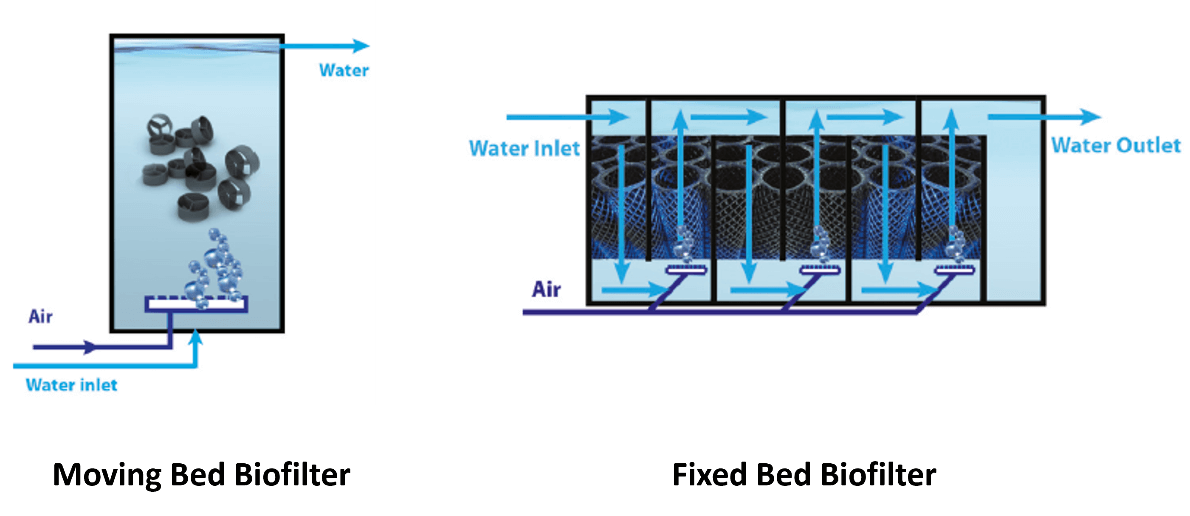
Figure 4. Images of fluidized bed and fixed bed filters (Bregnballe, 2015)
The efficiency of biofilters is shaped by the temperature and pH levels of the system water, as these factors influence the nitrification reactions occurring in the system (Bregnballe, 2015). It is reported that for Nitrobacter and Nitrosomonas bacteria, which are responsible for the nitrogen cycle in the system, the nitrification process requires temperatures between 25 and 30 degrees Celsius and a pH range between 7 and 9 (Antoniou et al., 1990).
3.7.3. Advanced Nutrient Removal through Denitrification
In aquaponic and RAS applications, advanced nutrient removal is critically important, particularly for controlling high nitrate and phosphorus loads within the system. In this context, membrane bioreactors (MBRs) stand out as an effective treatment unit for both the removal of dissolved organic matter and the management of nitrogen transformation processes. In MBR systems, the use of an anoxic reactor in addition to the aerobic compartment where nitrification occurs is essential for enabling the denitrification process, during which nitrate is converted to nitrogen gas under anoxic conditions (Widiasa et al., 2024). This configuration significantly enhances nitrate removal in MBRs and allows for the efficient reduction of the total nitrogen load in the system (Widiasa et al., 2024). In submerged MBR configurations where anoxic reactors are integrated into the system, total nitrogen removal rates have been reported to exceed 85 percent (Watanabe and Kimura, 2006; Wei et al., 2006).
Studies have shown that MBR systems exhibit high performance not only in nitrogen removal but also in advanced phosphorus removal, with ammonium removal reaching 85.7 percent and phosphorus removal reaching 96.49 percent (Ali et al., 2005). For this reason, MBR technology is considered an effective solution for advanced nutrient removal and sustainable water quality management in aquaponic systems.
3.7.4. Aeration Equipment
Aeration equipment plays a critical role in the proper operation of aquaculture and aquaponic systems. These units ensure the continuous maintenance of dissolved oxygen levels, which are essential for sustaining fish metabolic activity and preserving overall fish health (Ende et al., 2024). Aeration also supports the delivery of oxygen to biofilters, enabling nitrifying bacteria to function effectively and thereby enhancing the efficiency of biological treatment processes (Somerville et al., 2014).
Regular aeration prevents the accumulation of undesirable gases such as carbon dioxide and nitrogen in the system, thereby avoiding gas supersaturation that may cause stress in fish. It also ensures continuous water movement within the tank, prevents the formation of stagnant zones and contributes to the homogeneous mixing of water (Timmons and Ebeling, 2013). For these reasons, aeration equipment is among the key components that directly influence both fish health and overall system performance. In small scale aquaponic systems, air pumps and air stones are commonly used to provide continuous aeration (Somerville et al., 2014). In addition, in aquaponic systems integrated with recirculating aquaculture systems, equipment such as oxygen platforms and oxygen cones is used for aeration purposes (Bregnballe, 2015). Figure 5 presents images of aeration equipment used in aquaponic systems.
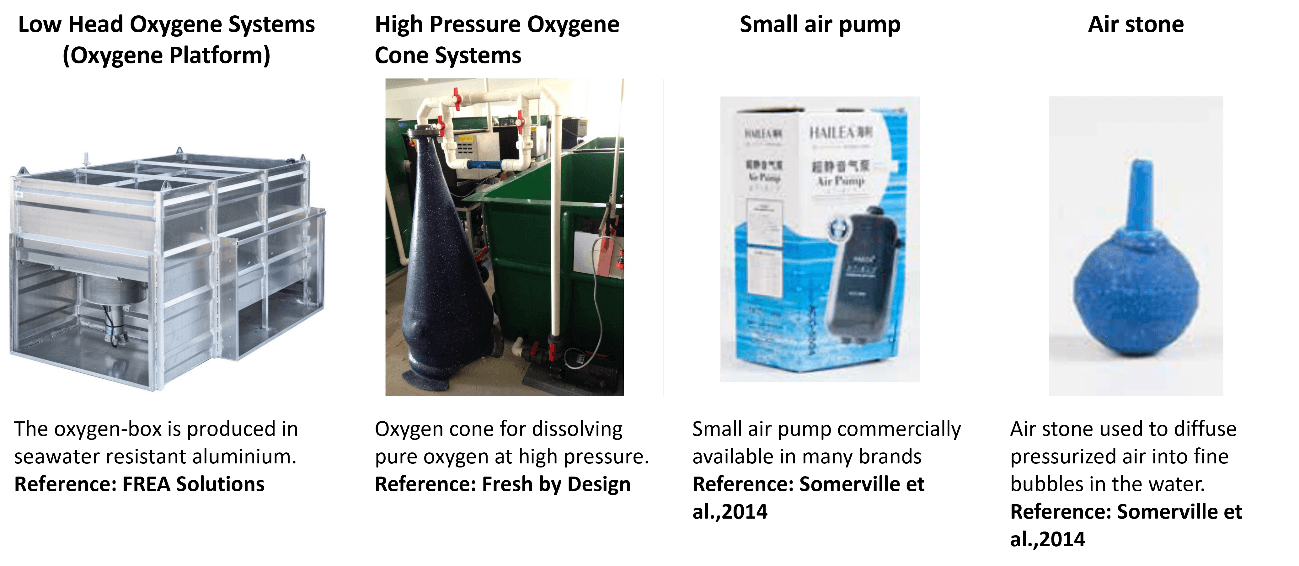
Figure 5. Aeration equipment used in aquaponic systems (FREA Solutions, n.d.; Fresh by Design, n.d.; Sommerville et al.,2014).
3.7.5. Disinfection
In aquaponic systems, disinfection contributes to the removal of microbial contaminants in the water and helps eliminate potential disease risks. Controlling the proliferation and spread of pathogenic microorganisms in system water is particularly challenging in intensive production systems (Ende et al., 2024). For this reason, disinfection is applied. UV disinfection is a suitable and beneficial method for aquaponic systems (Mori and Smith, 2019). Chemical disinfection methods such as chlorination, electrooxidation and ozonation must be used with caution, as the chemicals employed and the by products they generate may be harmful to aquatic organisms in aquaponic systems (Mori and Smith, 2019). Figure 6 presents images of disinfection units commonly used in recirculating aquaculture systems.
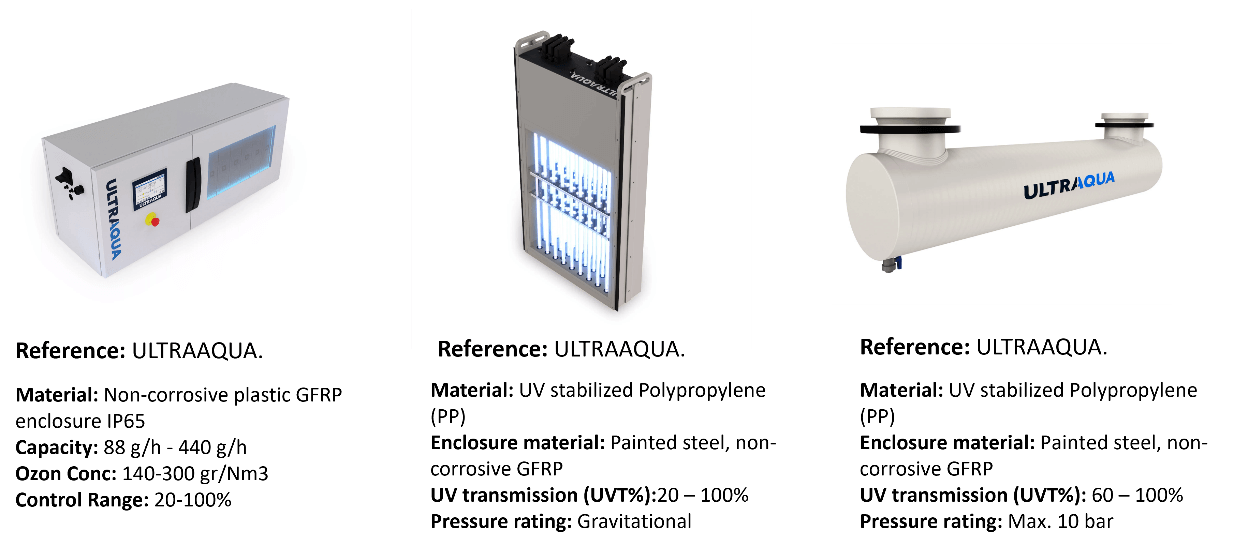
Figure 6. Disinfection units used in recirculating aquaculture systems (ULTRAAQUA, n.d.)
3.7.6. Sump Tank
The sump tank is the unit located at the lowest level of the system where water is collected (Somerville et al., 2014). It is commonly used in media bed aquaponic system designs (Somerville et al., 2014). The sump tank contains a pump or pump inlet that returns the system water, which has been treated by plants and bacteria, back to the fish tanks (Rakocy et al., 2006). In aquaponic systems that include fish tanks with volumes of approximately 200 liters or more, the use of a sump tank is necessary for appropriate hydraulic design (Somerville et al., 2014). Figure 7 presents an image of a sump tank (Somerville et al., 2014).
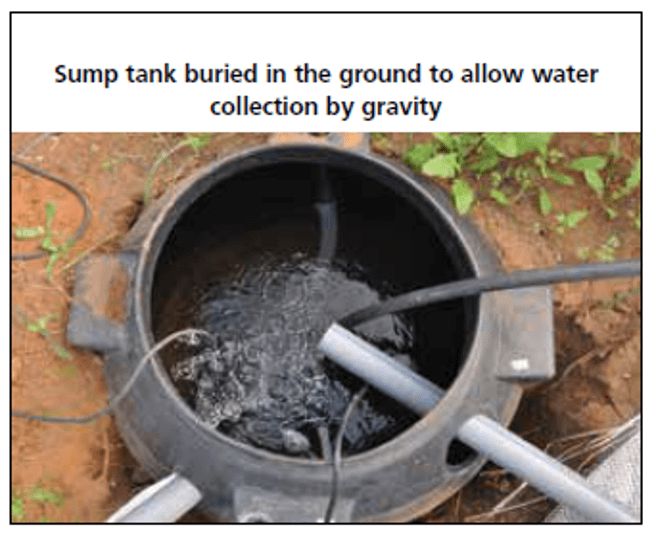
Figure 7.Sump tank (Somerville et al., 2014).
3.7.7.Pump
In an aquaponic system, water moves from the fish tank to the mechanical filter and then to the biofilter through pipes, and it is delivered to the plant growing bed using a pump. Pumps help maintain continuous water flow throughout the system, supporting water quality and the health of organisms. Since water is an essential component of an aquaponic system, criteria such as the pipe network through which water is conveyed and the proper selection of the pump are highly important in system design. Pumps used in aquaponic systems may be placed outside the line as submersible pump types or installed inline (Beecher, 2021). Submersible propeller type water pumps are commonly preferred in aquaponic systems (Somerville et al., 2014). Examples of pump types used in recirculating aquaculture systems and aquaponic systems are presented in Figure 8 (Beecher, 2021; Global Aquaculture Supply, n.d.).
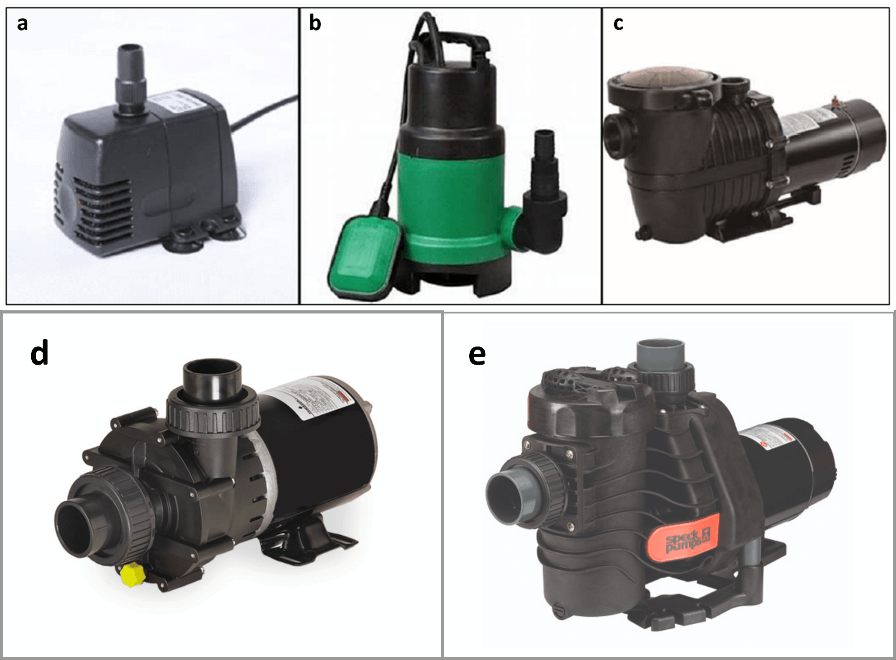
Figure 8. Various pumps are used in aquaponic systems a) small submersible pump b) large submersible pump c) inline water pump d) Speck-Scorpion Pumps (0.75 – 2.5 HP) e) Enterprise Pumps (0.75 – 3.45 HP) (Beecher, 2021; Global Aquaculture Supply, n.d.).
3.7.8. Sludge Management
Sludge management in aquaponic production systems is an important issue in terms of nutrient recovery and overall system sustainability. In the aquaculture component of an aquaponic system, uneaten or non metabolized feed generates waste in three forms: dissolved ammonia, suspended solids and settled solids referred to as sludge (Joyce et al., 2019). Most of the sludge formed in the system is collected through mechanical treatment units such as clarifiers or drum filters (Monsees et al., 2017).
Through the anaerobic decomposition of the sludge produced in the system, biogas and stabilized sludge can be obtained (Goddek et al., 2015). However, because significant nutrient losses may occur during anaerobic digestion, aerobic sludge treatment is recommended for nutrient recovery (Monsees et al., 2017). After the organic matter in the wastewater collected in the aeration basin is stabilized, the diluted sludge can be reused as a plant fertilizer in agricultural fields (Rakocy et al., 2006). In addition, the solid fraction of the sludge produced in aquaponic systems can be separated from the water and mixed with plant residues to produce compost (Rakocy et al., 2006).
The sludge obtained in aquaponic systems contributes to system sustainability when reused, as it is rich in potassium, phosphorus, magnesium, calcium, organic carbon and microorganisms (Monsees et al., 2017). However, due to the potential presence of pathogens in feed ingredients derived from warm blooded animals, the use of sludge originating from fish feed waste as fertilizer for crops intended for human consumption may pose food safety risks (Antaki and Jay-Russell, 2015).
3.7.9. Variation of Treatment Units According to Aquaponic System Types
The treatment units used in aquaponic systems vary significantly depending on system design, water volume, plant production technique and hydraulic loading. Since each system type has different requirements for solid removal, biological treatment, water flow and clogging risk, the selection of treatment components and the capacities of the treatment units must be determined accordingly.
In media bed systems, the media layer naturally retains solid particles while also providing a large surface area for nitrifying bacteria, thereby performing both mechanical and biological treatment. For this reason, an additional mechanical filter is generally not required (Somerville et al., 2014). However, in the nutrient film technique (NFT) and the deep water culture (DWC) technique, which are commonly preferred aquaponic methods, both mechanical and biological filters are used.
In modular or large scale commercial aquaponic facilities that operate in integration with RAS, the system load is high, and therefore the treatment units are designed in a more advanced manner. Drum filters, moving bed biofilm reactors, denitrification units, UV disinfection and ozonation may be required as advanced treatment technologies (Bregnballe, 2015).
In summary, the selection of treatment units in aquaponic systems does not follow a single standard structure but is instead customized by considering the type of aquaponic system, the flow rate, the plant species being produced and the fish biomass. The appropriate choice of treatment units directly affects system performance, sustainability and water quality management.
3.7.10. An Example of Integrated RAS and Aquaponic System
In the study conducted at the Biomengineering Laboratory of the Department of Aquaculture at Universidad Católica del Norte (Coquimbo, Chile), an aquaponic recirculating aquaculture system (RASaq) and a conventional recirculating aquaculture system (RASc) were evaluated comparatively. The experimental setup consisted of four RAS units. Each unit included a fish tank with a volume of 2.6 cubic meters, a radial clarifier with a capacity of 0.116 cubic meters, a water reservoir of 0.4 cubic meters, two biofilters with a volume of 0.27 cubic meters each and a hydraulic pump with a power of 0.5 horsepower. Three of the four RAS units were equipped with two rectangular hydroponic tanks, each with a volume of 1.8 cubic meters, and configured as aquaponic systems (RASaq). The fourth system, which did not include a hydroponic unit, was structured as a conventional control system (RASc) (Magalhães et al., 2025). The components of the system are presented in Figure 9.
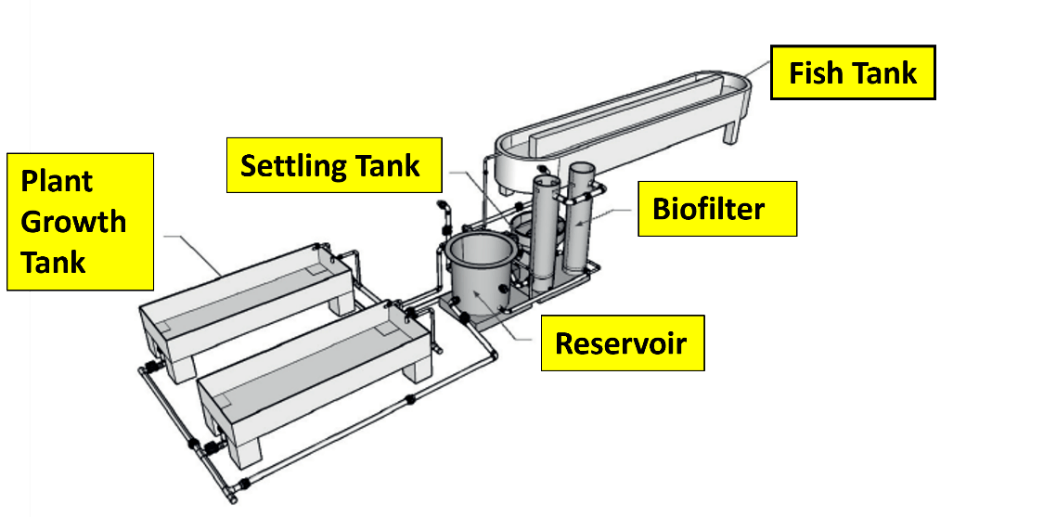
Figure 9. Components of the RASaq system (Magalhães et al., 2025).
Both system types were connected to a central aeration network provided by the Central Marine Culture Laboratory to ensure the sustainable maintenance of dissolved oxygen levels. During the experiment, lettuce was cultivated in the RASaq units using a deep water culture technique with a surface area of 3 square meters. In the fish section, 120 rainbow trout with an initial weight of approximately 20 grams were grown until they reached a final weight of about 700 grams. The study, which analyzed the temporal variations of nutrient elements and nitrogen compounds, demonstrated that the aquaponic RAS provided greater stability in water quality parameters and therefore offered a more sustainable production environment (Magalhães et al., 2025).
References
Ali, N., Mohammad, A.W., Jusoh, A., Hasan, M.R., Ghazali, N., Kamaruzaman, K., 2005. Treatment of aquaculture wastewater using ultra-low pressure asymmetric polyethersulfone (PES) membrane. Desalination 185, 317–326. https://doi.org/10.1016/j.desal.2005.03.084.
Antaki ET, Jay-Russell M (2015) Potential zoonotic risks in aquaponics. IAFP, Portland
Antoniou, P., Hamilton, J., Koopman, B., Jain, R., Holloway, B., Lyberatos, G., & Svoronos, S. A. (1990). Effect of temperature and pH on the effective maximum specific growth rate of nitrifying bacteria. Water Research, 24(1), 97-101.
Bandi A, Cristea V, Petrea S, et al. 2016. The review of existing and in-progress technologies of the different subsystems required for the structural and functional elements of the model of multi-purpose aquaponic production system. Rom Biotechnol Lett. 21:4.
Beecher, L., & White, M. (2021). Aquaponics: System layout and components. Land-Grant Press by Clemson University. https://lgpress.clemson.edu/publication/aquaponics-system-layout-and-components/
Bregnballe, J. (2015). A guide to recirculation aquaculture: An introduction to the new environmentally friendly and highly productive closed fish farming systems (3rd ed.). Food and Agriculture Organization of the United Nations (FAO) & Eurofish International Organisation.
CMAqua. (n.d.). CMAqua. https://cmaqua.dk/
Ende, S., Henjes, J., Spiller, M., Elshobary, M., Hanelt, D., & Abomohra, A. (2024). Recent advances in recirculating aquaculture systems and role of microalgae to close system loop. Bioresource Technology, 407, 131107. https://doi.org/10.1016/J.BIORTECH.2024.131107
Frea Solutions. (n.d.). Innovative solutions for aquaculture and water treatment. https://frea-solutions.dk/en/
Fresh By Design. (n.d.). Aquaculture and environmental equipment solutions. https://freshbydesign.com.au/
Global Aquaculture Supply. (n.d.). Global Aquaculture Supply. https://globalaquaculturesupply.com/
Goddek, S., Delaide, B., Mankasingh, U., Ragnarsdottir, K.V., Jijakli, H., Thorarinsdottir, R., 2015. Challenges of sustainable and commercial aquaponics. Sustain. Times 7, 4199e4224. https://doi.org/10.3390/su7044199.
Joyce, A., Timmons, M., Goddek, S., Pentz, T., 2019. Bacterial Relationships in Aquaponics: New Research Directions. In: Goddek, S., Joyce, A., Kotzen, B., Burnell, G.M. (Eds.), Aquaponics Food Production Systems: Combined Aquaculture and Hydroponic Production Technologies for the Future. Springer International Publishing, Cham, pp. 145-161. https://doi.org/10.1007/978-3-030-15943-6_2, 978- 3-030-15943-6
Kim, D.-J., Ahn, D.H., Lee, D.-I., 2005. Effects of free ammonia and dissolved oxygen on nitrification and nitrite accumulation in a biofilm airlift reactor. Korean J. Chem. Eng. 22, 85–90.
Magalhães, T. B., Silva, N. C. S., Souza, R. J. F., Luz, R. K., von Brand, E., Merino, C., & Merino, G. E. (2025). Cultivo integrado de truta arco-íris com alface rumo a uma agroaquicultura sustentável. Aquaculture Brasil, Edição Anual, 1–8.
Monsees H, Keitel J, Paul M, Kloas W, Wuertz S (2017) Potential of aquacultural sludge treatment for aquaponics: evaluation of nutrient mobilization under aerobic and anaerobic conditions. Aquac Environ Interact 9:9–18
Mori, J., & Smith, R. (2019). Transmission of waterborne fish and plant pathogens in aquaponics and their control with physical disinfection and filtration: A systematized review. Aquaculture, 504, 380–395.
Ngo, H.,Guo, W.,Tram, Vo T.,Nghiem, L.,Hai, F., 2017, Current Developments in Biotechnology and Bioengineering: Biological Treatment of Industrial Effluents,35-77
Rakocy, J. E., Masser, M. P., & Losordo, T. M. (2006). Recirculating aquaculture tank production systems: Aquaponics—Integrating fish and plant culture. Southern Regional Aquaculture Center (SRAC) Publication No. 454
Somerville, C., Cohen, M., Pantanella, E., Stankus, A. & Lovatelli, A. (2014). Small-scale aquaponic food production.Integrated fish and plant farming. Rome: FAO Fisheries and Aquaculture Technical Paper. No. 589.
Thorarinsdottir R.I., Kledal P.R., Skar S.L.G., Sustaeta F.,Ragnarsdottır K.V., Mankasıngh U., Pantanella E., Ven R.V.D., Shultz C., 2015. Aquaponics Guidelines, University Of Iceland, www.aquaponics.is, 1-63.
Timmons, M. B., & Ebeling, J. M. (2013). Recirculating aquaculture (3rd ed.). Cayuga Aqua Ventures.
ULTRAAQUA. (n.d.). UV disinfection systems for water treatment. https://ultraaqua.com/
Watanabe, Y., Kimura, K., 2006. A baffled membrane bioreactor – new MBR for efficient nitrogen removal. Eng. Manag. 16, 435–439.
Wei, W.Z., Chao, W.Z., Wei, G.G., Ping, Y.G., Ming, M.L., 2006. Simultaneous nitrogen and phosphor removal in an aerobic submerged membrane bioreactor. J. Environ. Sci. 18, 439.
Widiasa, I. N., Susanto, H., Ting, Y. P., Suantika, G., Steven, S., Khoiruddin, K., & Wenten, I. G. (2024). Membrane-based recirculating aquaculture system: Opportunities and challenges in shrimp farming. Aquaculture, 579, 740224. https://doi.org/10.1016/J.AQUACULTURE.2023.740224