
Module 12: Design, Installation, and Operation of Aquaponic Systems
Summary / Description Text
This module focuses on the design, installation, and operational management of aquaponic systems, which integrate aquaculture and hydroponics in a closed-loop configuration to achieve sustainable food production. It provides technical, environmental, and biological insights into the planning, construction, and daily management of aquaponic facilities.
The module begins by outlining site selection criteria, including land stability, climate conditions, and energy-water infrastructure. It emphasizes the importance of system orientation, protection from environmental stressors (e.g., wind, rain, temperature fluctuations), and the use of greenhouse or net-house structures to balance sunlight exposure and system safety.
Participants are introduced to the evolution of aquaponic models such as traditional systems, IAVS, NCSU, UVI, and NFT models, each representing different levels of technological advancement and integration. The design section explains the key system components: fish tanks, mechanical and biological filtration units, and hydroponic beds, highlighting how water quality, nutrient cycling, and engineering design jointly determine performance.
Detailed explanations are provided on tank design and material selection, filter types and operation, pumping and aeration systems, and plumbing layout. The module discusses practical considerations such as balancing fish and plant biomass, monitoring parameters (temperature, pH, dissolved oxygen, nitrogen compounds), and optimizing feed conversion efficiency. Special attention is given to energy efficiency and renewable energy integration to reduce the carbon footprint.
Finally, the module covers routine maintenance and control schedules (daily, weekly, and monthly tasks) and addresses technical challenges commonly faced in aquaponic operations, such as nutrient imbalances, equipment failures, biosecurity issues, and high investment costs. Environmentally friendly disease prevention methods, proper water management, and automation are presented as key strategies to ensure system sustainability and resilience.
Keywords: aquaponic system design, system installation, operation, biofiltration, mechanical filtration, pump selection, water quality management, maintenance, energy efficiency, technical challenges, sustainable production.
Learning Outcomes
By the end of this module, participants will be able to:
- Identify the main design and structural components of aquaponic systems.
- Explain the criteria for site selection and infrastructure requirements.
- Compare different aquaponic system models (IAVS, NCSU, UVI, NFT, DWC) and their applications.
- Describe the roles of fish tanks, filters, pumps, and aeration systems in maintaining water quality and system balance.
- Develop a maintenance plan including daily, weekly, and monthly control procedures.
- Recognize common operational challenges and propose sustainable technical solutions.
- Integrate energy efficiency and environmental safety principles into system design and operation.
Presentation File
3.5.Design, Installation, and Operation of Aquaponic Systems
Aquaponic systems are circular production arrangements in which aquaculture (fish farming) and soilless plant cultivation (hydroponics) are integrated (Kargın & Bilgüven, 2018). In these systems, nutrient-rich water originating from the fish tanks is transferred to the hydroponic unit after passing through several filtration stages. While plants absorb nutrients such as ammonium and nitrate from this water and utilize them for growth, they simultaneously purify the water, which is then recirculated back to the fish tanks. Consequently, fish and plants support each other within a symbiotic loop: fish wastes act as fertilizer for the plants, and the plants cleanse the water and creating a healthy environment for the fish. This integrated design enables the simultaneous production of two food sources with significantly reduced water use and offers high sustainability potential.
The historical development of aquaponic systems reflects a significant evolution from traditional practices to modern engineering-based configurations. Traditional aquaponic applications date back to ancient times, with early examples reported in Asia and Central America where fish and crop cultivation were conducted simultaneously. The subsequent development of the IAVS (Integrated Aqua-Vegeculture System) model focused on enhancing nutrient uptake and maintaining system balance through a sand-based filtration environment that mineralizes fish waste under aerobic conditions (Wang et al., 2024).
In later years, the NCSU (North Carolina State University) model was developed, emphasizing water quality and nutrient transformation efficiency in university-based research. This system consists of a top-level water storage tank, a middle grow bed containing fine sand and gravel, and a lower fish tank. As aquaponic technology progressed, models incorporating mechanical and biological filters were introduced. Among these, the UVI (University of the Virgin Islands) model became prominent for enabling modular, highly efficient commercial-scale production (Wang et al., 2024). The UVI system is also known as the deep water culture (DWC) or floating raft system. Today, the NFT (Nutrient Film Technique) model, characterized by a continuous thin film of water flowing over plant roots, has become one of the most commonly used methods (Pattillo, 2017). Figure 1 presents a summary of aquaponic system models (Wang et al., 2024).
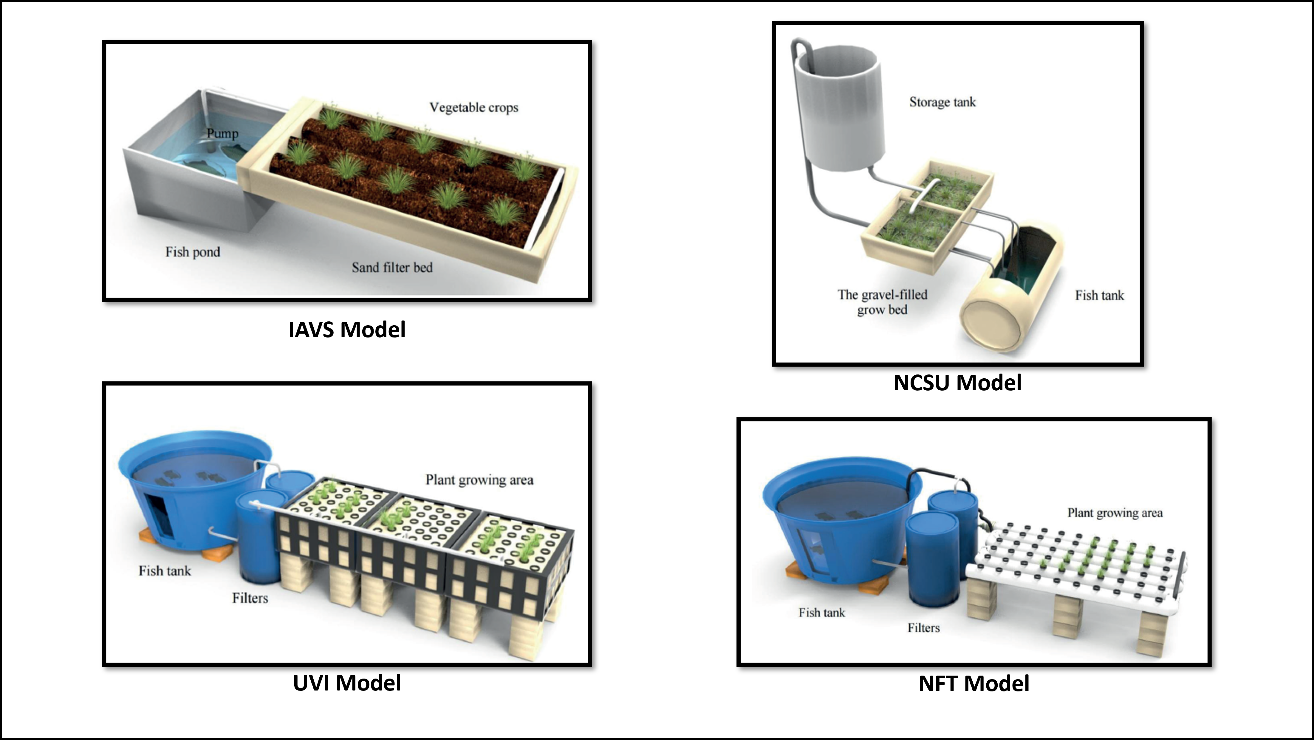 Figure 1.Aquaponic system models (Wang et al., 2024).
The hydroponic unit is where plant production occurs, and its configuration varies according to the method used. The three most common methods are media bed systems, NFT systems, and DWC systems (Somerville et al., 2014; Engle, 2015). In media beds, plants grow in a solid substrate; in NFT, nutrient solution flows continuously through channels; and in DWC, plants grow on floating rafts suspended over water (Van Os et al., 2008; Pattillo, 2017; Bildirici & Bildirici, 2021; Şekeroğlu et al., 2022; Kargın & Bilgüven, 2018). In summary, the Nutrient film technique uses channels or pipes as grow beds; the floating raft technique uses a floating surface such as polystyrene; and the media-based technique uses media materials such as sand, perlite, or gravel. Since each method has different operation, advantages and limitations, system planning should be made by taking these features into consideration.
Aquaponic system design, regardless of the selected model, is fundamentally structured around three core components: the fish tank, the mechanical and biological filtration units, and the plant production area (Wang et al., 2024; Somerville et al., 2014). The system’s overall performance depends on water quality, biological balance, proper stocking density, nutrient cycling efficiency, and correct engineering design (Krastanova et al., 2022; Delaide et al., 2017). Therefore, while designing aquaponic systems, the functional integrity of each component must be evaluated in detail, and engineering calculations related to water quality parameters (pH, dissolved oxygen, ammonia, nitrite, nitrate, etc.) and nutrient balance must be meticulously performed (Delaide et al., 2017; University of Latvia, 2023a). Figure 2 presents visuals of these methods (Wang et al., 2024).
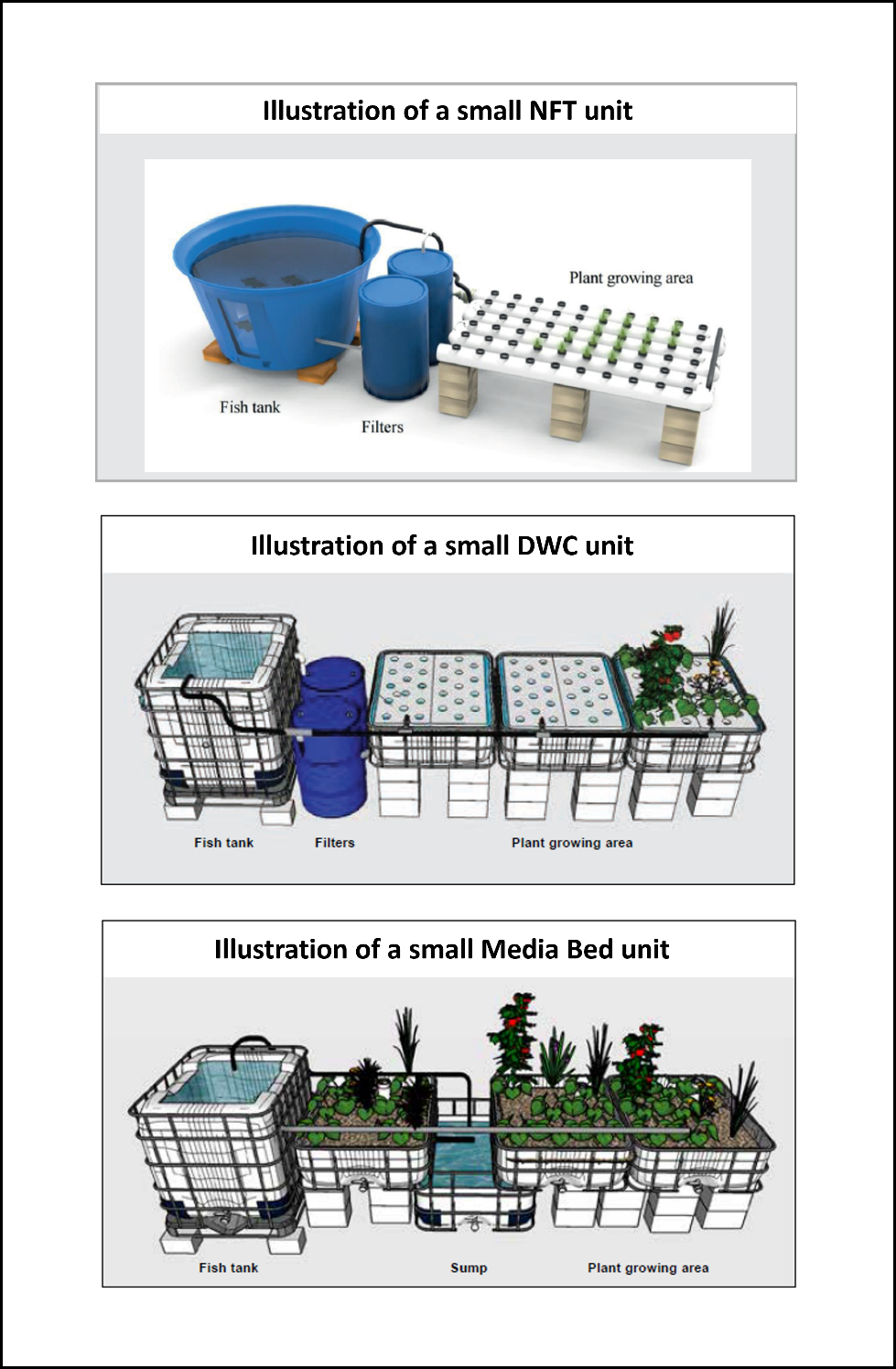 Figure 2. Generally preferred aquaponic systems (Wang et al., 2024; Sommerville et al., 2014)
When designing an aquaponic system, the first step is to evaluate the installation site in terms of environmental conditions and ground characteristics to ensure an appropriate location (Somerville et al., 2014). Before construction, the ground should be level, solid, and have high load-bearing capacity. Since the components of the system, such as fish tanks, grow beds, and filters, are typically heavy, ground stability directly influences water flow (Somerville et al., 2014). For this reason, concrete or similarly rigid surfaces are recommended, whereas soil surfaces should be leveled and compacted prior to installation (Somerville et al., 2014). Placing concrete blocks beneath the grow beds increases stability, while gravel support helps balance the ground. Positioning the fish tanks directly on a firm base also facilitates plumbing installation, provides insulation, and enhances structural safety (Somerville et al., 2014).
If the system will be installed outdoors, climate conditions and their potential effects on plants and equipment must be carefully considered. Strong winds may cause physical damage to stems and leaves; excessive rainfall may dilute the nutrient solution, disturb water balance, and increase the risk of flooding; and heavy snowfall may similarly lead to overflow problems and temperature-induced freezing damage. To mitigate these risks, a sheltered location should be selected, and when necessary, a protective structure such as a tunnel greenhouse should be used. In tropical regions, net houses facilitate ventilation while preventing rainfall, pests, birds, and other animals from entering the system (Somerville et al., 2014). Figure 3 shows an example of an insect-proof net house, and Figure 4 illustrates a small-scale aquaponics greenhouse (Singh et al., 2022).
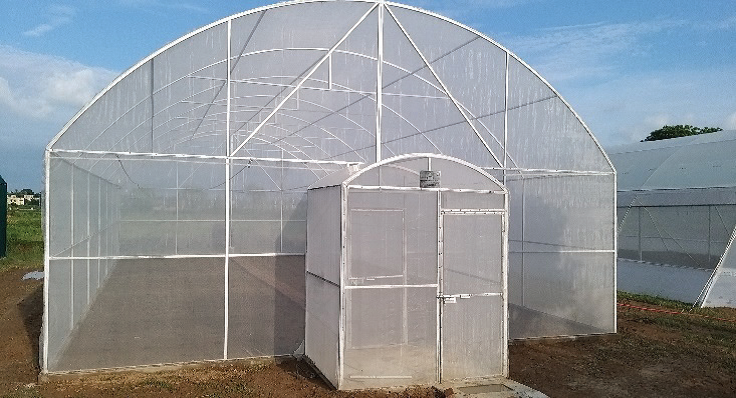 Figure 3. Insect proof net house (Singh et al.,2022).
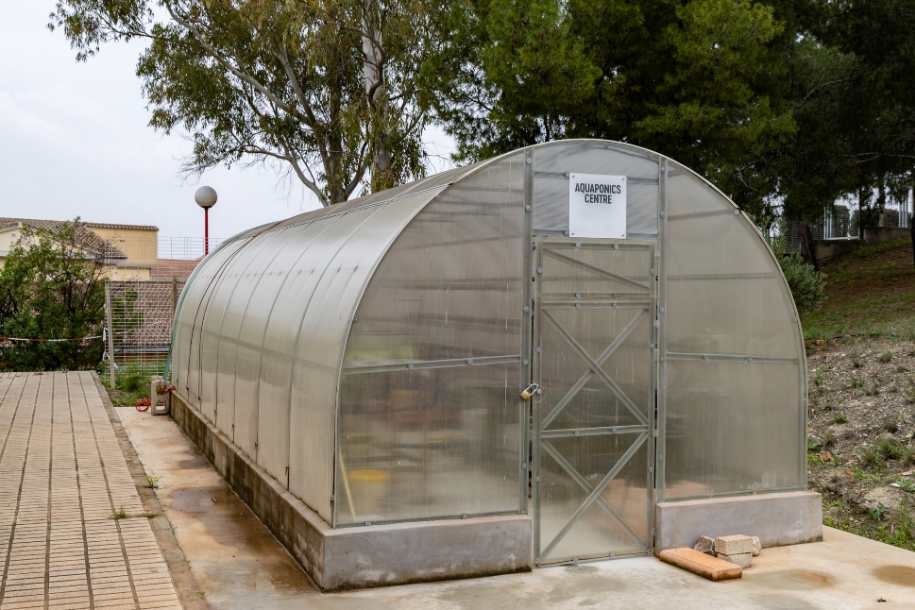 Figure 4. Example of a small-scale aquaponics greenhouse
Greenhouses are fully enclosed structures made of transparent materials, whereas net houses are semi-open structures. The installation site should allow plants to receive maximum sunlight while ensuring that fish are protected from direct sunlight. Positioning the grow beds along the north–south axis ensures balanced light distribution throughout the day, while the east–west direction may be preferred for species requiring partial shading (Somerville et al., 2014).
Prior to the installation of an aquaponic system, the suitability of the site for energy, water, and safety infrastructure must be ensured. Electrical lines required for the operation of water and air pumps should be insulated against water and equipped with systems that prevent electrical leakage. Water supply should be easily accessible, and periodic maintenance or water exchange operations should be feasible. Additionally, reusing wastewater, such as utilizing it for irrigating surrounding plants, provides environmental benefits. The system should be positioned in an area that allows easy access for daily inspections and fish feeding, and when necessary, the site should be fenced to protect it from animals, theft, or external disturbances (Somerville et al., 2014).
The fish tank is a critical component of aquaponic systems, as it affects both system operation and fish health. The shape and structure of the tank directly influence water circulation and waste removal. Irregularly shaped tanks may create dead zones with low oxygen levels; therefore, flat-bottomed circular tanks are generally considered the most efficient option (Somerville et al., 2014). Tank selection should also account for behavioral characteristics of the cultured species, especially for bottom-dwelling fish, which require sufficient horizontal area. Three primary tank types used in aquaculture are circular tanks, D-ended raceways, and raceway-type tanks. Figure 5 illustrates commonly used tank shapes (Bregnballe, 2015). Table 1 compares tank designs by rating their major properties on a scale from 1 to 5.
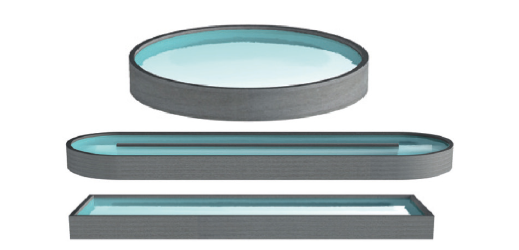 Figure 5. Commonly used tank shapes (From top to bottom, images of a circular tank, a D-ended raceway, and a raceway type are presented) (Bregnballe,2015).
Table 1. Different tank designs give different properties and advantages. Rating 1-5, where 5 is the best. (Bregnballe,2015)
|
Tank properties |
Circular tank |
D-ended raceway |
Raceway type |
|
Self-cleaning effect |
5 |
4 |
3 |
|
Low residence time of particles |
5 |
4 |
3 |
|
Oxygen control and regulation |
5 |
5 |
4 |
|
Space utilization |
2 |
4 |
5 |
Durability, safety, and material quality are essential criteria in fish tank selection. Fiberglass and UV-resistant plastics are preferred due to their light weight and long service life, whereas metal tanks are avoided due to corrosion risk (University of Latvia., 2023b). LDPE is widely used because it is food-safe and durable (Somerville et al.,2014). Light-colored tanks facilitate monitoring fish and waste particles and prevent overheating; shading the tanks prevents algae growth and external damage (Somerville et al., 2014). Figure 6 presents information on different tank material types (University of Latvia, 2023b).
Figure 6. Properties of different fish tank material types (University of Latvia, 2023b).
Mechanical filtration is used to separate solid waste generated in fish tanks. Mechanical filtration, one of the most effective methods for removing accumulated organic waste, operates by allowing water to enter the filter from the top, pass through plates, separate solids that settle at the bottom as sludge, and direct clarified water toward the biofilters (Bregnballe, 2015). The mechanical filtration process operates by allowing wastewater from the fish tank to enter the upper section of the filter, where it passes through a series of plates. As the water flows downward, solid particles are trapped and accumulate as sludge at the bottom of the filter, while the clarified water continues toward the biofilters. After mechanical filtration, the accumulated sludge (solid waste) must be discharged or removed from the system. In NFT and DWC systems, grow beds filled with gravel or clay pebbles can also serve dual functions by providing both mechanical and biological filtration (Somerville et al., 2014). However, to prevent clogging, the grow bed requires regular cleaning. A biofilter capacity of approximately 300 liters is recommended for every 200 grams of feed input; additionally, incorporating an auxiliary solids-capturing filter further improves overall system efficiency (Somerville et al., 2014). Figure 7 illustrates the mechanical filtration design that separates solid particles from the water (Somerville et al., 2014).
Figure 7. Design of mechanical filtration unit (Somerville et al.,2014)
Biological filtration is essential for converting ammonia and nitrite into nitrate through bacterial processes (Kim et al., 2005). Since most fish waste is dissolved and cannot be removed mechanically, these compounds must be biologically converted. This process is critically important both for the removal of compounds that are toxic to fish and for supplying the nitrate required by plants. For this purpose, biofilters with a large surface area that allows bacteria to attach and proliferate are used in aquaponic systems; these filters are typically placed after the mechanical filtration stage, serving as the transition point to the hydroponic unit. In large-scale industrial facilities, biofilter design can be more complex compared to small-scale systems (Krastanova et al., 2022). The sizing of the biofiltration unit depends on various factors, including water quality parameters such as temperature, salinity, and dissolved oxygen (DO) concentration, as well as performance-related parameters such as stocking density and feeding rate (Bandi et al., 2016).
In small-scale systems, the recommended biofilter volume is approximately one-sixth of the fish tank volume (Somerville et al., 2014). While separate biofilter units are required in DWC and NFT systems, the growing media in media bed systems naturally fulfills this function. In biofilters, materials with high surface area, inert properties, and easy cleanability, such as volcanic gravel, PVC shavings, plastic bottle caps, or mesh media, are commonly used (Somerville et al., 2014). These materials facilitate the attachment and proliferation of beneficial bacteria, enabling the conversion of ammonia to nitrate and thereby contributing to the maintenance of water quality.Trickling filters, fluidized bed reactors, bead filters, and sand filters are frequently preferred types (Bandi et al., 2016). Figures 8 and 9 show examples of media and biofilter designs (Somerville et al., 2014).
Figure 8. Example of plastic biofilter material (Somerville et al., 2014)
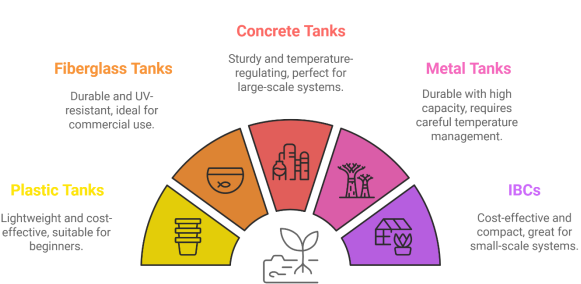
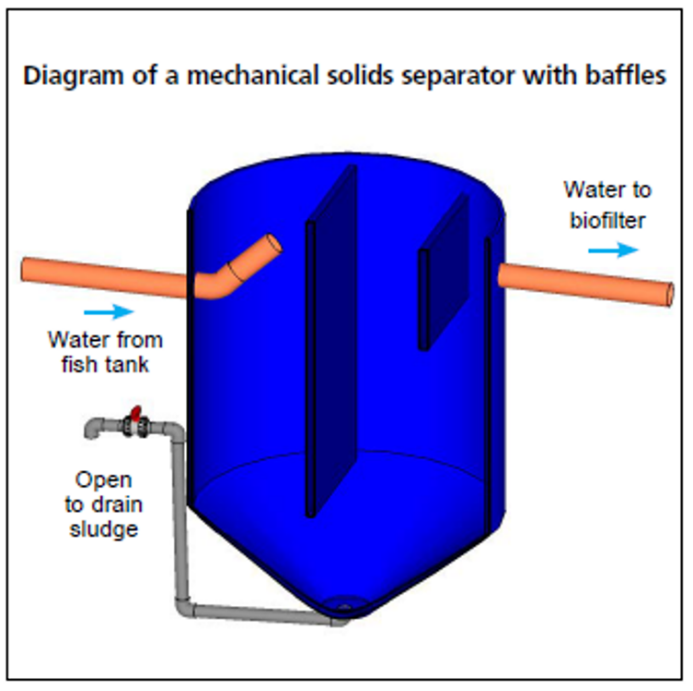
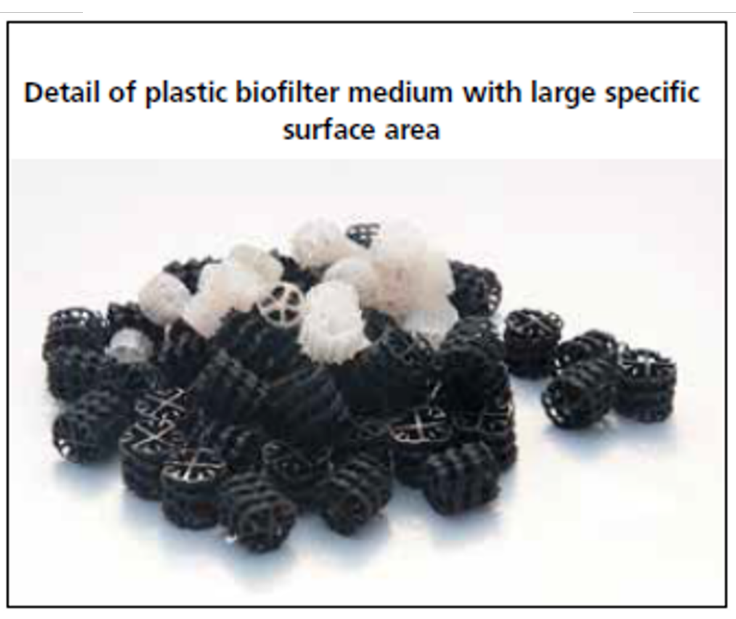
Figure 9.Biofilter design for small-scale aquaponic systems (Somerville et al., 2014).
Water flows from the fish tank to the mechanical filter, then to the biofilter, and finally to the hydroponic unit through pipes. Pump selection and the design of the piping system are important considerations. In intensive systems, water circulation twice per hour is recommended; in low-density systems, one cycle per hour is sufficient (Somerville et al., 2014). Pumps represent a major source of energy consumption. In the study examining the effect of intermittent operation of the pump in the aquaponic system on the efficiency of the system (Adzman et al., 2021), the pump operating order with 2 hours of water on – 2 hours of water off ensures the efficient operation of the system while reducing energy consumption by half, creating an economical and environmentally friendly structure. Pumps may be submersible or inline models (Beecher, 2021). Propeller-type submersible water pumps are among the most commonly used pump types in aquaponic systems (Somerville et al., 2014). Figure 10 shows common pump types (Beecher, 2021).
Figure 10. Various pumps are used in aquaponic systems. a) small submersible pump b) large submersible pump c) inline water pump (Beecher, 2021).
To increase dissolved oxygen (DO), air pumps, air stones, and air lines are used (Somerville et al.,2014). Dissolved oxygen levels are critical to system efficiency and therefore their levels in tanks should be monitored regularly. Balanced aeration is essential for maintaining system efficiency. For small-scale aquaponic systems, Somerville et al. (2014) recommend at least two air lines and two air stones in the fish tank and one air stone in the biofilter, with a total airflow of 4–8 L/min.
PVC pipes and fittings provide stable water circulation between system components. Food-grade, opaque pipes are recommended to prevent algal growth. Figure 11 presents common fittings used in aquaponics (Somerville et al., 2014).
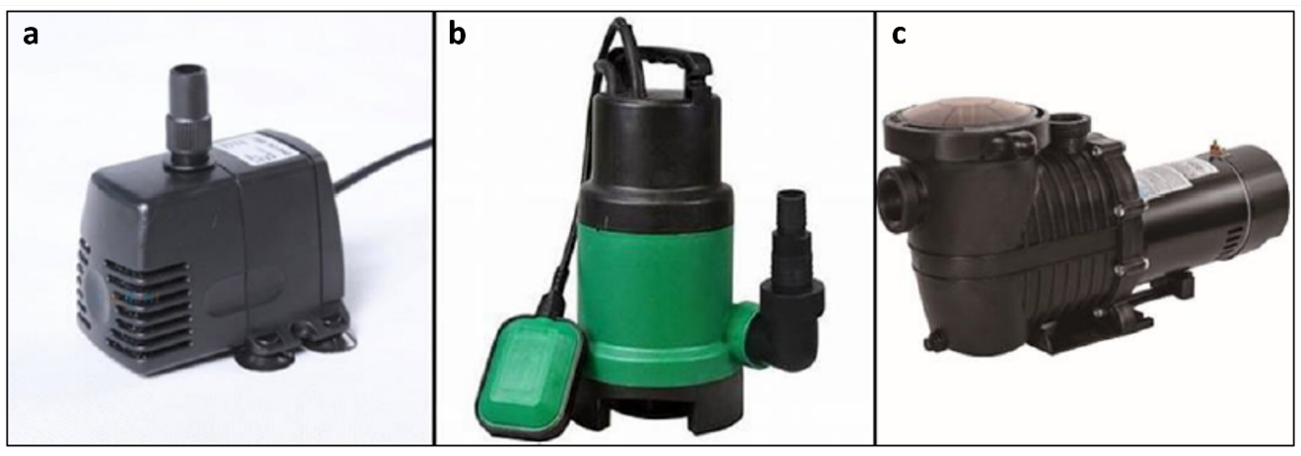
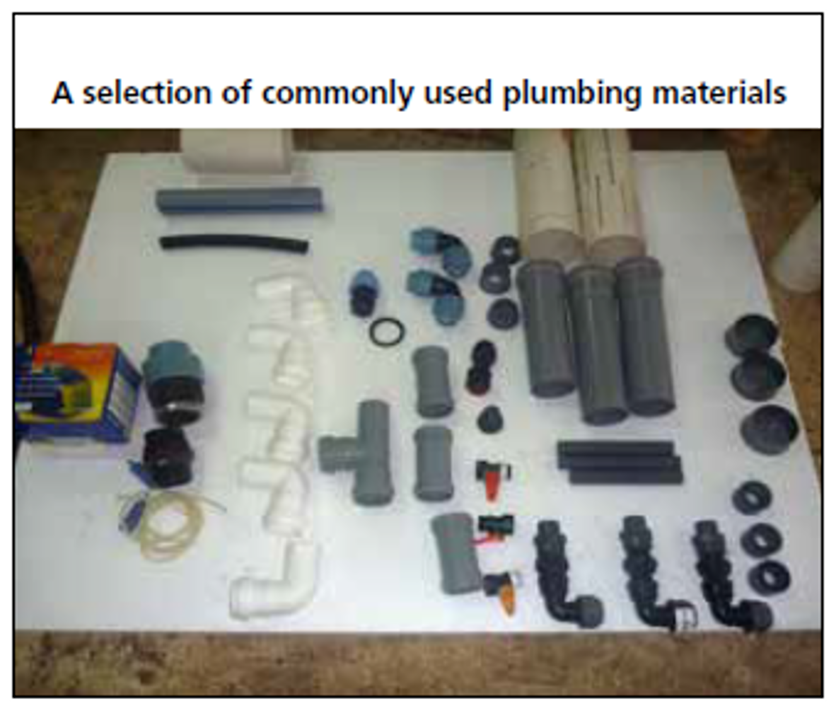 Figure 11. Generally used connection elements in aquaponics systems (Somerville et al., 2014).
Efficient operation requires proper fish–plant ratio, continuous monitoring of temperature, humidity, DO, pH, nitrogen transformations (ammonia, nitrite, nitrate), water flow rate, and feed conversion rate. Preventive measures and biosecurity practices are essential to minimize disease risks (Wang et al., 2024). Low nitrogen-use efficiency, nutrient and pH imbalances, and solids accumulation are known limiting factors (Yep & Zheng, 2019).
3.5.1.Routine Maintenance and Monitoring in Aquaponic Systems
In the operation of an aquaponic system, several tasks must be performed on daily, weekly, and monthly schedules. Daily monitoring includes checking the water level and water temperature, feeding the fish, assessing the health status of both fish and plants, verifying whether the pumps are functioning properly, and ensuring that there are no leaks at any point in the system (Stout, 2013; FAO, 2014; Bildirici & Bildirici, 2021). Taking immediate corrective actions upon detection of any nonconformity during daily checks is essential for the system’s sustainability. For example, if dead or diseased fish or plants are identified, they must be removed from the system. Additionally, routine daily cleaning of the filters contributes significantly to the efficient operation of the system.
Weekly monitoring involves general inspection of the plumbing components, checking water quality parameters such as pH, ammonia, nitrite, and nitrate, cleaning sediments accumulated at the bottom of the fish tank, cleaning the biofilters, harvesting plants and fish that have reached sufficient maturity and weight, and ensuring that plant roots are not obstructing water flow (Stout, 2013; FAO, 2014; Bildirici & Bildirici, 2021).
Monthly operation tasks include pump and filter cleaning, inspection of tank walls, and cleaning of the fish tank, alongside more critical procedures necessary for long-term system continuity, such as restocking fish and collecting samples for disease detection (Stout, 2013; FAO, 2014; Bildirici & Bildirici, 2021). Since monthly tasks are performed less frequently than daily and weekly tasks, they typically involve large-scale operational activities, including disease monitoring and stock management of essential system components.
3.5.2.Technical Challenges and Problems Encountered in the Use of Aquaponic Systems
Because fish, plants, and microorganisms coexist within the same ecosystem in aquaponic systems, disease control becomes inherently complex. The use of chemical pesticides or antibiotics may harm the beneficial bacteria that maintain the system’s biological balance, thereby disrupting the overall cycle (Goddek et al., 2016). For this reason, disease and pest control options in aquaponics are limited. Common issues include root rot in plants, bacterial infections in fish, and parasitic infestations. Due to these limitations, aquaponic disease management relies on environmentally friendly approaches such as biological control methods, routine monitoring of water quality, quarantine practices, and UV sterilization (Somerville et al., 2014).
Nutrient cycling balance is critical for sustainable production in aquaponic systems. Fish waste serves as a source of essential nutrients such as nitrogen and phosphorus for plants; however, disruptions in this balance can reduce system productivity. Excessive stocking density increases ammonia accumulation in the water, leading to toxicity, whereas insufficient stocking density results in inadequate nutrient availability for plant growth. Therefore, parameters such as fish species, feeding rate, plant species, and system volume must be carefully planned. Additionally, maintaining optimal pH and dissolved oxygen levels, suitable for both fish and plants, is vital for healthy system function.
The operation of aquaponic systems requires interdisciplinary expertise spanning environmental engineering, aquaculture, hydroponic agriculture, and microbiology. Insufficient knowledge regarding system installation, water quality management, nutrient balance, pump and filtration maintenance, or biological processes can result in decreased efficiency or system failures. Consequently, trained personnel, routine maintenance programs, and the use of automation technologies are highly important for successful system management.
Aquaponic systems rely on pumps, aerators, and occasionally heating or cooling units to maintain continuous water circulation. This dependence introduces vulnerability, particularly in regions prone to power outages. Failure of submersible pumps or water circulation systems causes rapid drops in dissolved oxygen, leading to stress or mortality in both fish and plants. Continuous energy consumption also increases operating costs and contributes to a higher carbon footprint. Therefore, integrating renewable energy sources (solar, wind) or using energy-efficient methods, such as intermittent pump operation, offers effective solutions for improving energy efficiency (Adzman et al., 2021).
Moreover, initial investment costs and technical complexity can be significant barriers for small-scale producers. Tokunaga et al. (2015) reported that a medium-scale aquaponic farm with a 76 m³ fish tank capacity and a 1,142 m² plant production area required approximately USD 217,078 in initial investment, with fish tanks and pumps constituting the largest cost components. Other studies have shown that infrastructure investment costs may reach approximately USD 285,000 for small-scale systems and can exceed USD 1 million for large-scale commercial systems (Engle, 2015).
References
Adzman, N. N., Mohd Saad, N. H., Mohd Zain, M. Z., & Shafie, A. A. (2021). Intermittent water pump operation to reduce energy consumption of aquaponics system. Chemical Engineering Transactions, 89, 283–288. https://doi.org/10.3303/CET2189048
Bandi A, Cristea V, Petrea S, et al. 2016. The review of existing and in-progress technologies of the different subsystems required for the structural and functional elements of the model of multi-purpose aquaponic production system. Romanian Biotechnological Letters, 21(4).
Beecher, L. (2021). Aquaponics: System layout and components. Land-Grant Press by Clemson University. https://lgpress.clemson.edu/publication/aquaponics-system-layout-and-components/
Bildirici, N., & Bildirici, D. E. (2021). Sağlıklı bir gelecek için aquaponik sistemler. Iksad Publications.
Bregnballe, J. (2015). A guide to recirculation aquaculture: An introduction to the new environmentally friendly and highly productive closed fish farming systems (3rd ed.). FAO & Eurofish International Organisation.
Delaide B, Delhaye G, Dermience M, et al. 2017. Plant and fish production performance, nutrient mass balances, energy and water use of the PAFF box, a small-scale aquaponic system. Aquacult Eng. 78, 130–139.
Engle, C. R. (2015). Economics of aquaponics. SRAC Publication No. 5006, 1–4.
FAO. (2014). Small-scale aquaponic food production: Integrated fish and plant farming. FAO Fisheries and Aquaculture Technical Paper No. 589.
Goddek, S., Delaide, B., Mankasingh, U., Ragnarsdottir, K.V., Jijakli, H., Thorarinsdottir, R., 2016. Challenges of sustainable and commercial aquaponics. Sustain. Times 7, 4199-4224. https://doi.org/10.3390/su7044199.
Kargın, H., & Bilgüven, M. 2018. Akuakültürde Akuaponik Sistemler ve Önemi. Bursa Uludağ Üniversitesi Ziraat Fakültesi Dergisi, 32(2), 159-173.
Kim, D.-J., Ahn, D.H., Lee, D.-I., 2005. Effects of free ammonia and dissolved oxygen on nitrification and nitrite accumulation in a biofilm airlift reactor. Korean J. Chem. Eng. 22, 85–90.
Krastanova, M., Sirakov, I., Ivanova-Kirilova, S., Yarkov, D., & Orozova, P. (2022). Aquaponic systems: Biological and technological parameters. Biotechnology & Biotechnological Equipment, 36(1), 305–316. https://doi.org/10.1080/13102818.2022.2074892
Pattillo, D.A. 2017. An Overview of Aquaponic Systems: Hydroponic Components. North Central Regional Aquaculture Center. https://dr.lib.iastate.edu/handle/20.500.12876/55937
Singh, R. K., Singh, A. K., Singh, A. K., Singh, N. K., Singh, A., Kalia, A., & Gautam, U. S. (2022). Doubling the farmers income through protected cultivation in Bundelkhand region of Uttar Pradesh. In Horticulture Science for Doubling Farmers’ Income (Chapter 10, pp. 187–207). Banda University of Agriculture and Technology.
Somerville, C., Cohen, M., Pantanella, E., Stankus, A. & Lovatelli, A. (2014). Small-scale aquaponic food production.Integrated fish and plant farming. Rome: FAO Fisheries and Aquaculture Technical Paper. No. 589.
Stout, M. (2013). The complete idiot’s guide to aquaponic gardening. Alpha books.
Şekeroğlu, A., Kökten, K., & İnci, H. 2022. Tarım ve hayvancılığın sürdürülebilirlik dinamikleri üzerine akademik çalışmalar. İKSAD Publishing House.
Tokunaga, K., Tamaru, C., Ako, H., Leung, P., 2015. Economics of small-scale commercial aquaponics in Hawai’i. J. World Aquacult. Soc. 46, 20-32. https://doi.org/10.1111/jwas.12173.
University of Latvia. (2023a). Water quality in aquaponics (D.3.2.1 – Training materials on water quality). In TRANSborder cooperation for circular soil-less FARMing systems (TransFarm) project report. Interreg Central Baltic Programme (Project CB0100007).
University of Latvia. (2023b). Fish in aquaponics – Selection, requirements, and limitations (D.3.2.2 – Training materials on fish requirements). In TRANSborder cooperation for circular soil-less FARMing systems (TransFarm) project report. Interreg Central Baltic Programme (Project CB0100007).
Van Os, E. A., Gieling, T. H., & Lieth, J. H. (2008). Technical equipment in soilless production systems. In R. Raviv & J. H. Lieth (Eds.), Soilless culture: Theory and practice (pp. 157–207). Elsevier.
Wang, Y., Yang, Y., & Lu, J. (2024). A review of aquaponics: Concept, current situation and development. International Journal of Agriculture and Natural Resources, 51(3), 140–156. https://doi.org/10.7764/ijanr.v51i3.2554
Yep, B., & Zheng, Y. (2019). Aquaponic trends and challenges – A review. Journal of Cleaner Production, 228, 1586–1599.